
The top security questionnaire automation tools should help security and sales teams answer vendor assessments accurately, reuse approved evidence, and keep responses current. This comparison covers 10 candidate tools, but there's an important catch: none of the products here is documented as software for completing or managing security questionnaires. A few may help with adjacent work, such as governing internal apps, isolating AI agents, or researching cybersecurity topics. Treat this as a guide to adjacent options and a checklist for what a true questionnaire platform must prove-not as confirmation that any entry automates questionnaires.
Start here
For a vendor-security team, begin with the gap rather than the score: this list doesn't identify a purpose-built questionnaire automation product. If you're exploring supporting infrastructure, Kosa8 is the clearest fit for isolating AI agents in virtual machines, while Superblocks describes governance controls for internal apps and enterprise data. AvantaGPT has a cybersecurity focus, but its stated workflows are chat, coding, and technical research-not questionnaire response management.
Use those distinctions to decide whether an adjacent product is worth a closer look:
Need isolated AI-agent execution? Start with Kosa8. Check whether its sandbox can be used in your actual response workflow; no questionnaire integration is specified here.
Need controls around internal AI apps? Review Superblocks' authentication, role-based access, and audit-log capabilities. These are governance features, not evidence that it fills assessment forms.
Need a cybersecurity-oriented assistant? Consider AvantaGPT for technical research and coding tasks, then validate its security, data-handling, and source-control requirements with the vendor.
Need to automate questionnaires end to end? Keep searching for a product that explicitly supports answer libraries, evidence attachments, questionnaire imports, approvals, and exports. Those capabilities are not established for any tool below.
Searches for a top ai powered tool to automate security questionnaires should lead to proof of workflow coverage, not just a product's use of AI. The same applies to top-rated security questionnaire automation: a high score or general security feature is not a substitute for evidence that the tool can complete assessments reliably.
Segment comparison
These segments describe what the listed products actually claim to do. They are not interchangeable questionnaire automation categories.
| Segment | Tool | Useful adjacent capability | Key caveat |
|---|---|---|---|
| AI-agent isolation | Kosa8 | Runs each agent in an isolated virtual machine; controls network egress | No questionnaire workflow is specified |
| Internal app governance | Superblocks | Builds and governs AI-powered internal apps with access controls | Enterprise pricing requires sales contact; no questionnaire feature is listed |
| Cybersecurity-oriented AI | AvantaGPT | Chat and developer workflows for security research and technical tasks | Five free requests per day; not described as an assessment responder |
| Website AI-readiness checks | AI Agent Readiness Check for Moving Companies | Checks whether AI crawlers can read a website | Built around website visibility, not vendor-risk review |
| General AI productivity | BukiTools | A small collection of writing and document tools with no signup | Limited to the tools listed; no assessment workflow is specified |
Shortlist paths
Pick a path based on the job you need done. Each route below is an adjacent capability to validate, not a recommendation that the product automates questionnaires.
| If your immediate need is... | Start with | Verify before shortlisting |
|---|---|---|
| Safer execution for AI agents | Kosa8 | Whether your agent and data sources fit its VM, resource, and egress limits |
| Governance for internal AI applications | Superblocks | App count, permission model, audit needs, and enterprise quote |
| Technical cybersecurity assistance | AvantaGPT | Data handling, source citations, usage limits, and human review requirements |
| A free check of AI crawler access to a website | AI Agent Readiness Check for Moving Companies | Whether website-readiness checks solve your actual vendor-assessment problem |
| Lightweight writing or PDF assistance | BukiTools | Whether its limited set of tools covers your task and document needs |
Ranking snapshot
The order and scores below are the supplied candidate ranking signals. They should not be read as proof of questionnaire-specific performance: the listed features do not establish that any of these tools imports questionnaires, retrieves approved answers, or manages review and submission.
| Rank | Tool | Score | Best for | Starting price |
|---|---|---|---|---|
| #1 | SignatureGen | 91/100 | Freelancers | Free: $0 |
| #2 | Canary Wharfian | 91/100 | Investment banking applicants | $14.99 monthly subscription |
| #3 | Superblocks | 91/100 | IT administrators | Teams: $125/month, billed monthly |
| #4 | Aisa.to | 90/100 | Operations managers | Check vendor pricing |
| #5 | RightResponse AI | 90/100 | Small business owners | PAYGO: $10/location/month |
| Rank | Tool | Score | Best for | Starting price |
|---|---|---|---|---|
| #6 | AI Agent Readiness Check for Moving Companies | 89/100 | Moving company owners | Free: $0 |
| #7 | BukiTools | 87/100 | Content writers | Free: $0 |
| #8 | Kosa8 | 87/100 | Software developers | Solo: $29/month or $290/year |
| #9 | JBOX | 87/100 | Startup founders | JBOX Pro: Free |
| #10 | AvantaGPT | 87/100 | Software developers | Free: $0/month |
How we grouped and ranked the list
We grouped the candidates by their stated jobs: app building and governance, agent execution, cybersecurity-oriented assistance, website checks, and general-purpose or unrelated utilities. That distinction matters because security questionnaire automation is a workflow category, not a synonym for any software that mentions AI, security, or enterprise controls.
The scores and rank order reflect the candidate ranking signals, while the editorial fit assessment asks a more practical question: does the described product show a way to answer vendor assessments? For these 10 candidates, the answer is not established. The features supplied for SignatureGen, interview coaching, AI skills assessment, review management, and app generation do not describe questionnaire automation. Even the more relevant adjacent tools-Superblocks, Kosa8, and AvantaGPT-describe governance, sandboxing, or technical assistance rather than answer libraries and submission workflows.
That makes this list useful mainly as a boundary check. If a vendor claims to be a top-rated ai tool for automating security questionnaires, ask for a live walkthrough using your actual questionnaire formats and evidence process. Our ai tech vendor security assessment top picks should only be considered real picks once the product demonstrates that work, not simply because it has an AI feature or security-adjacent positioning.
Ranked field notes
1. SignatureGen

- Freelancers creating a signature graphic
- Unlimited basic signature generation; AI features partly free
- Starts at Free: $0
- Usage signal: 146.0K
Why it matters
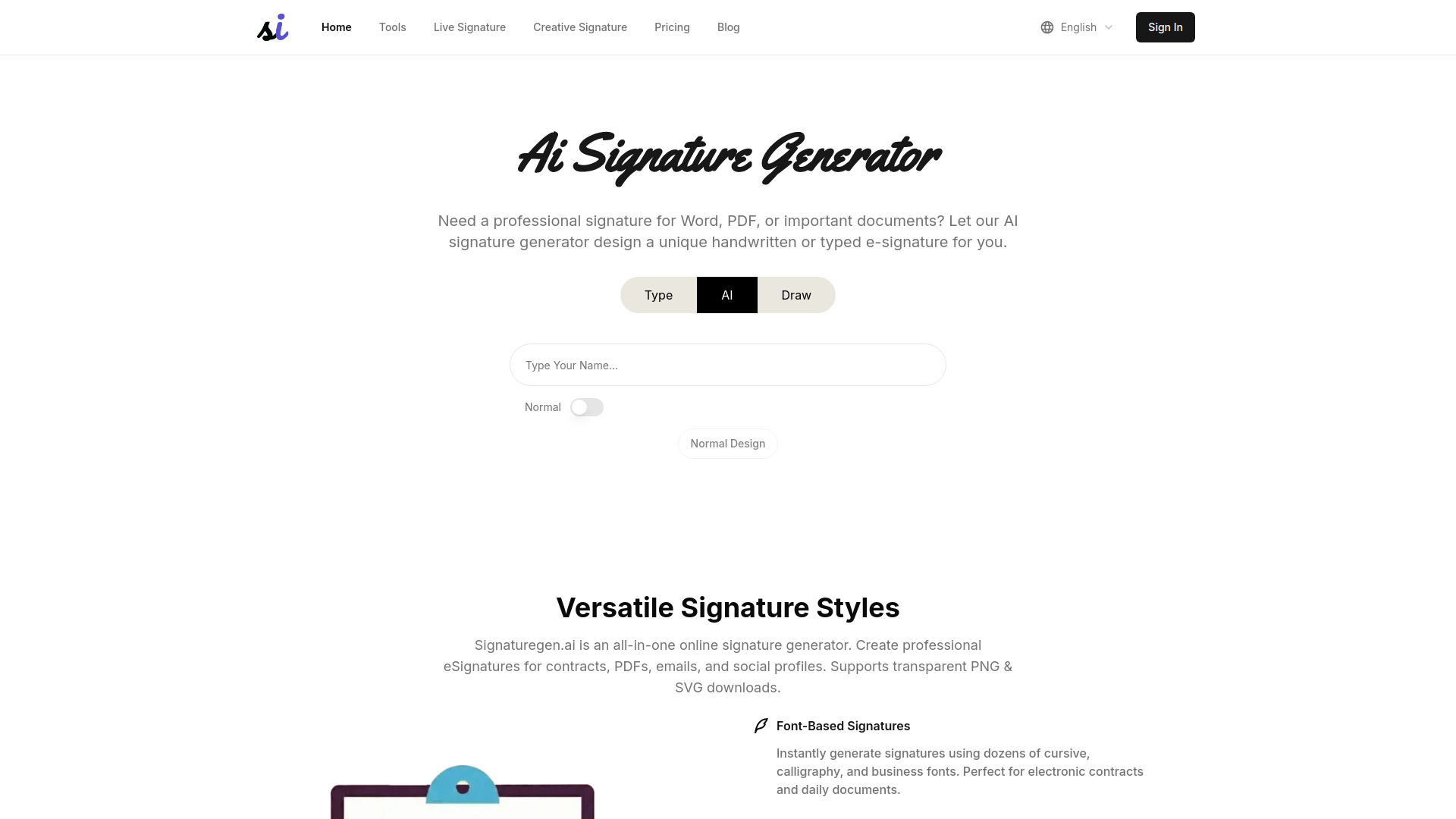
SignatureGen covers a narrow, clear job: creating a signature image using fonts, AI generation, or on-screen handwriting. Stroke-by-stroke playback gives users a way to inspect how the design forms, and the tool also supports creative designs using text and graphic elements. Those details can be useful to someone preparing a personal signature asset, but they don't connect to vendor security assessments. A signature graphic is not an electronic-signature workflow, an approval record, or evidence management. Its high score is therefore not a reason to shortlist it for questionnaire automation; it's included because it is one of the ten ranked candidates, and its actual fit is easy to distinguish.
Best for
Freelancers who want a personalized signature graphic.
People comparing font-based, generated, and handwritten signature styles.
Users who need basic signature generation and downloads without paying.
Limitations
AI signature generation is only partially free.
Transparent PNG downloads require the background-removal tool.
No questionnaire, vendor-risk, or security-evidence workflow is specified.
Shortlist signal: Add SignatureGen only if you need a signature graphic; exclude it from a security questionnaire automation shortlist.
2. Canary Wharfian

- Investment banking applicants practicing interviews
- Interview practice is available; some features may be premium
- Starts at $14.99 monthly subscription
- Usage signal: 80.0K
Why it matters
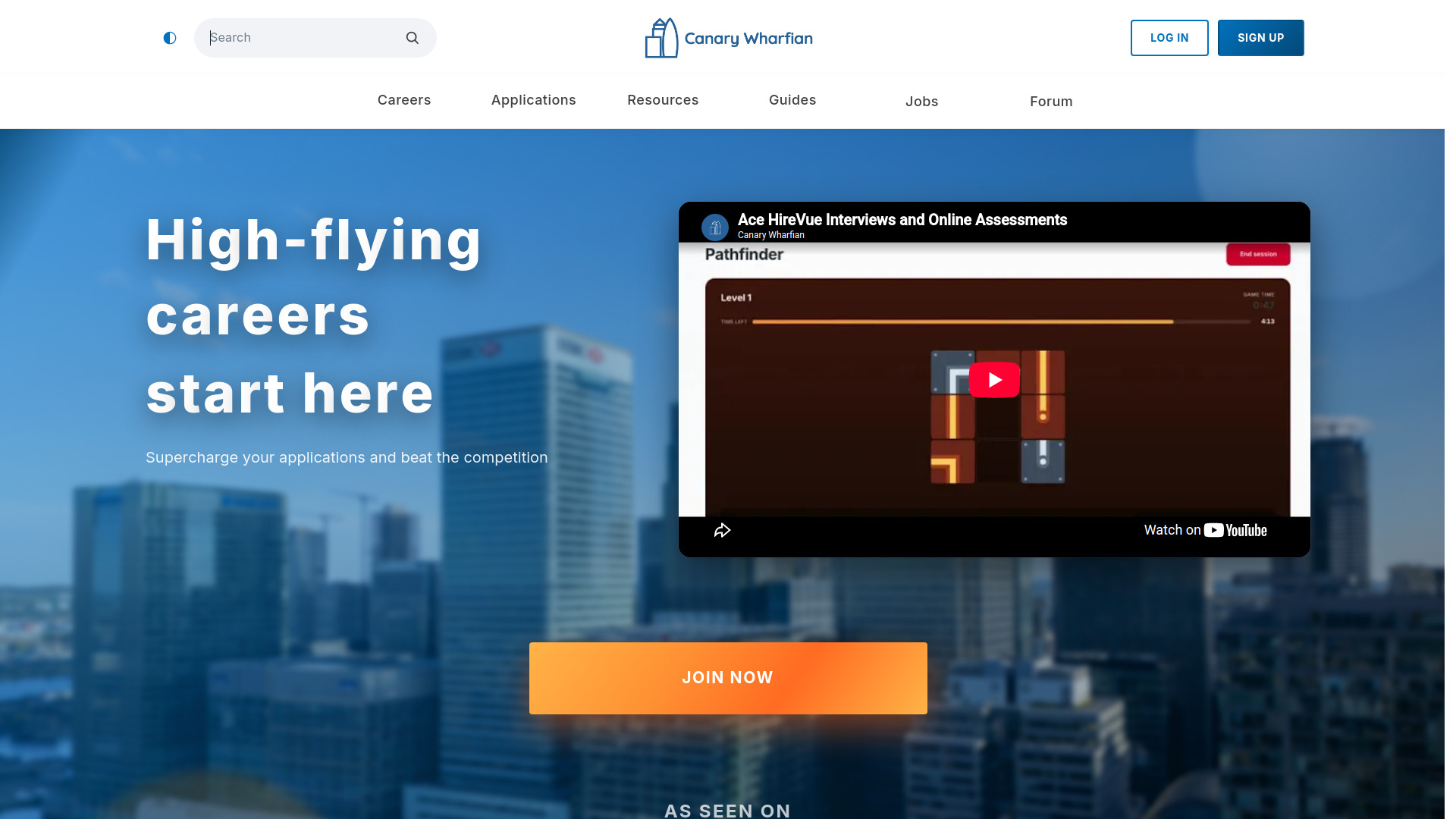
This product is aimed at a very specific audience: people preparing for high-finance careers. Its listed features include interview practice, HireVue practice, and job interview preparation, with automated video interview practice and personalized feedback on recorded answers. That focused coaching angle may make it a useful candidate for an applicant who wants to rehearse. It has no stated connection to security assessments, vendor questionnaires, or AI governance. Don't confuse personalized feedback on interview responses with an approved-answer library: the users, data, review process, and outcome are entirely different. Premium feature pricing is also not fully clear from the stated details, so applicants should check the current plan before relying on a particular practice feature.
Best for
Investment banking applicants preparing for interviews.
Candidates practicing HireVue-style questions and recorded responses.
Job seekers who value tailored feedback for interview preparation.
Limitations
It is designed for career preparation, not vendor security reviews.
Premium features may require payment, and their pricing is not fully specified.
No questionnaire imports, evidence handling, or approval controls are listed.
Shortlist signal: Choose Canary Wharfian for high-finance interview practice, not for completing a vendor assessment.
3. Superblocks

- IT administrators governing internal AI apps
- 14-day free trial
- Starts at Teams: $125/month, billed monthly
- Usage signal: 149.8K
Why it matters
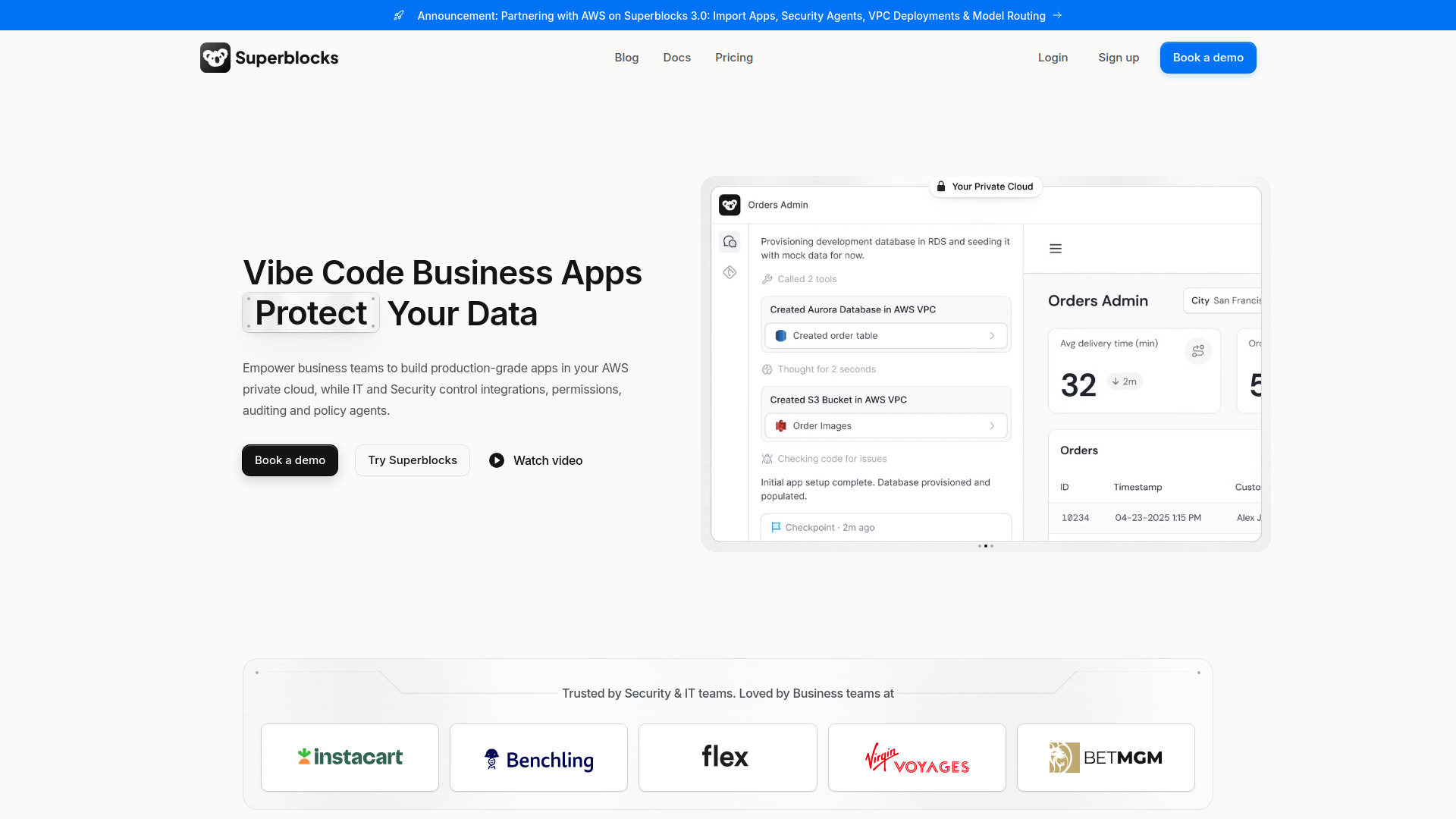
Superblocks is one of the more relevant adjacent candidates for an enterprise team because it combines AI-assisted internal app building with governance controls. Its described capabilities include authentication, role-based access control, single sign-on, granular data access, and audit logs. Those controls could matter when an organization builds internal tools around sensitive processes. But they do not, on their own, establish a security questionnaire product: there's no stated answer library, questionnaire import, evidence mapping, or submission workflow. If you are considering Superblocks as infrastructure for a custom internal process, clarify who builds and maintains that process and whether the resulting app satisfies your security and audit requirements. Pricing also has an important caveat: enterprise pricing requires contacting sales, and the Teams plan includes one hosted app, with additional apps charged separately.
Best for
IT administrators building internal apps with centralized access controls.
Teams that need authentication, permissions, and audit features around internal tools.
Organizations evaluating governed AI apps connected to enterprise data.
Limitations
Questionnaire automation is not among the specified features.
Enterprise pricing requires a sales conversation.
The Teams plan includes one hosted app; additional apps cost extra.
Shortlist signal: Consider Superblocks if you need governed internal app infrastructure and are prepared to build or validate the questionnaire workflow separately.
4. Aisa.to

- Operations managers assessing AI skills
- Free AI skills test and certificate
- Starts at Check vendor pricing
- Usage signal: 21.5K
Why it matters
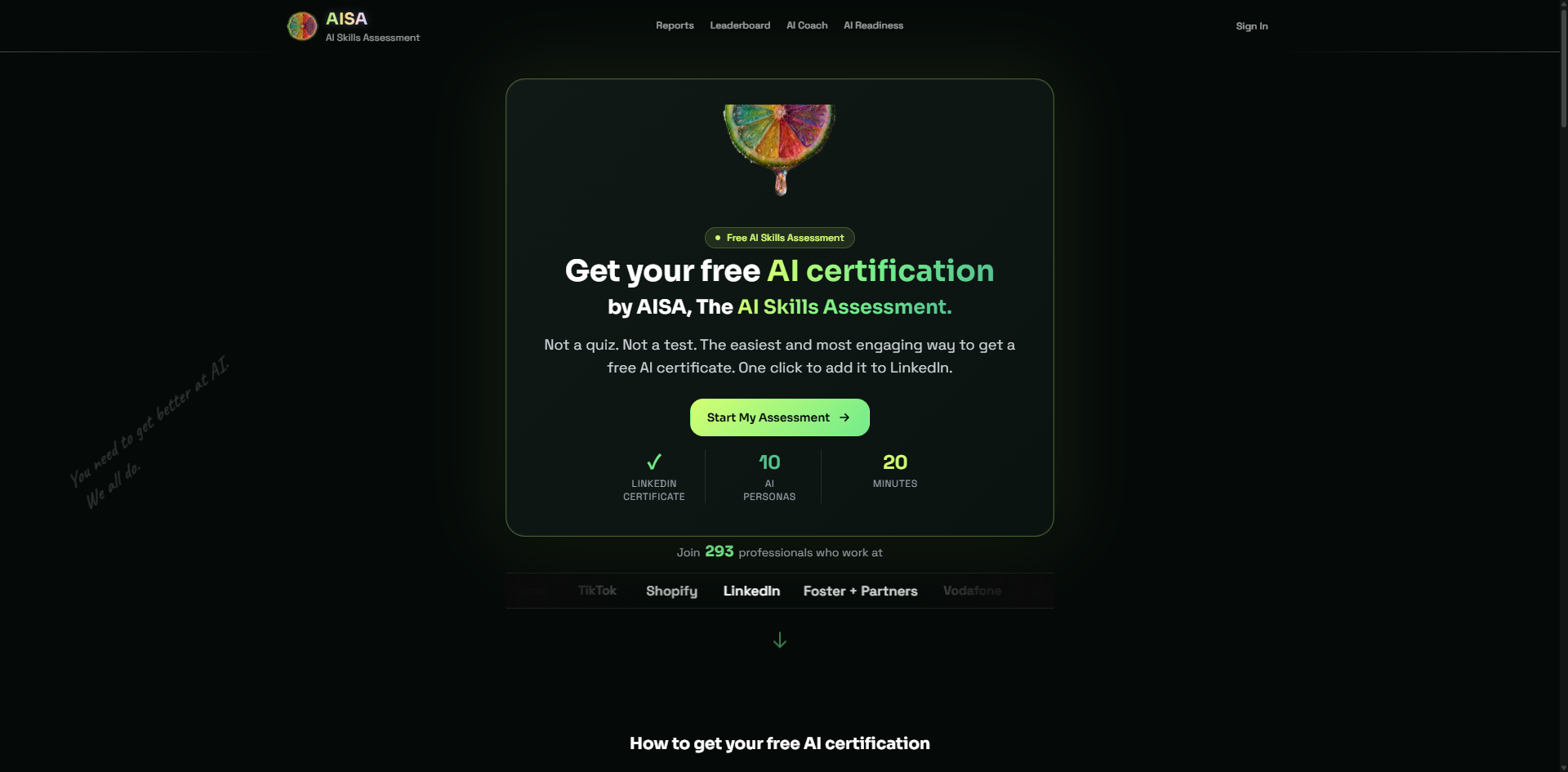
Aisa.to assesses a person's AI skills through a 20-minute adaptive conversational interview rather than a static multiple-choice quiz. It evaluates performance across five dimensions and 11 criteria, then provides a report with an AI persona and a prioritized learning plan. A free certificate and data-backed report make that a distinct proposition for individual learning or skills assessment. The similar-sounding word assessment shouldn't mislead buyers: this is an assessment of AI ability, not an assessment of a technology vendor's security posture. It also asks users to commit to a continuous 20-minute conversation, and specialized team dashboards or upskilling options may require contacting the company. Pricing for those services needs direct confirmation.
Best for
Operations managers evaluating or developing AI skills.
Individuals who prefer conversational assessment to multiple-choice tests.
Users who want a free AI skills test and certificate.
Limitations
The product assesses skills, not vendor security or questionnaire responses.
The conversational test requires a continuous 20-minute commitment.
Team dashboards and specialized services may require a sales discussion; pricing is unclear.
Shortlist signal: Add Aisa.to for AI-skills assessment, but not as a vendor security assessment platform.
5. RightResponse AI

- Small business owners managing customer reviews
- 7-day trial with 1,000 credits
- Starts at PAYGO: $10/location/month
- Usage signal: 12.0K
Why it matters
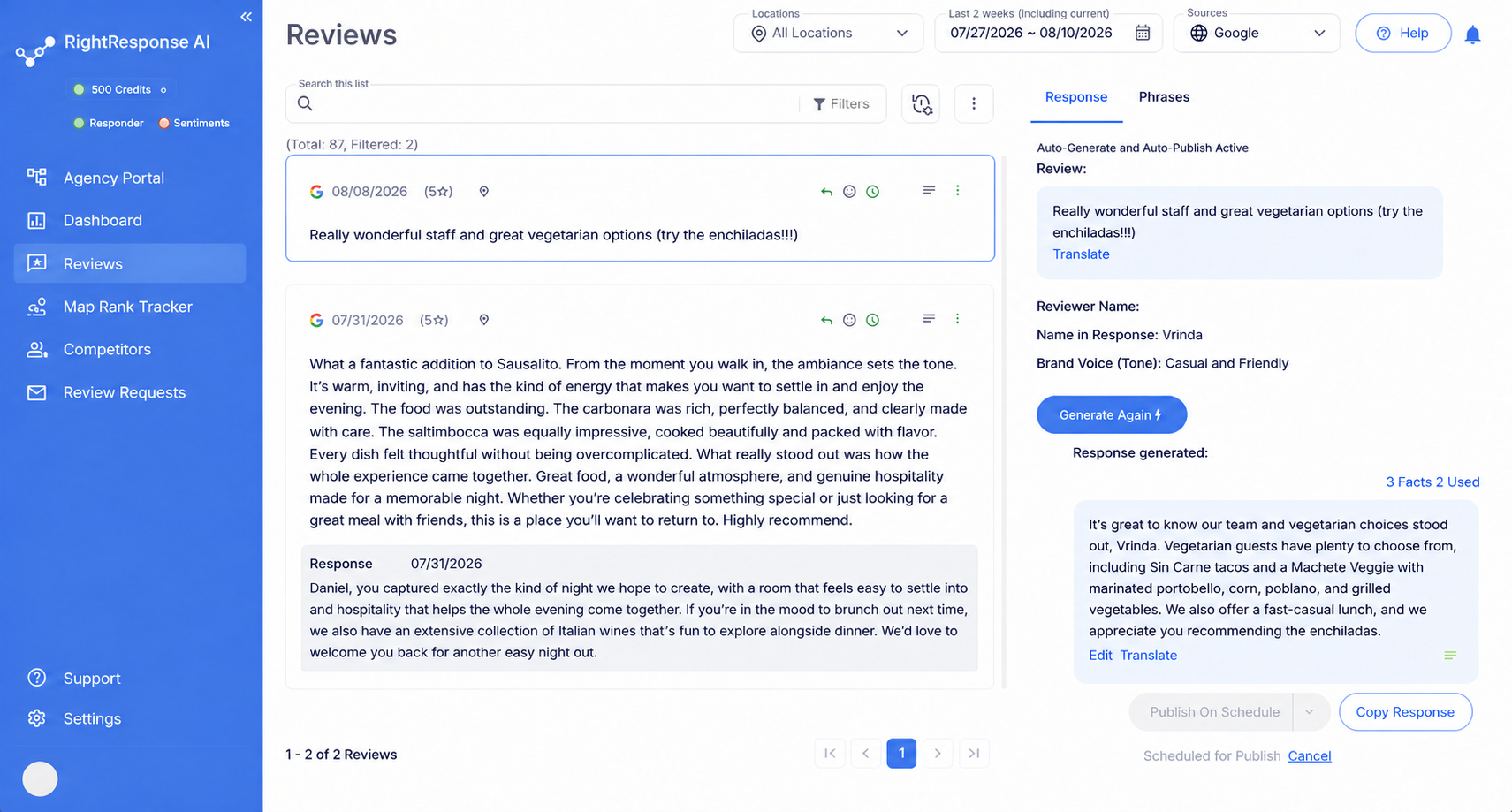
RightResponse AI focuses on public customer reviews. Its listed workflow uses multiple AI agents to generate responses, supports automated publishing, and includes a human approval step. Sentiment analysis and review-management features make the product relevant to reputation work, where tone and response speed matter. That human checkpoint is useful context, but it shouldn't be mistaken for governance over security answers: responding to a public review is not the same as attesting to security controls on behalf of a company. Usage-based pricing can also make monthly spend variable. The stated PAYGO price is per location, and teams should check which enterprise capabilities-such as permissions and multi-location management-are included before estimating total cost.
Best for
Small businesses responding to customer reviews.
Teams that want AI-generated replies with a human approval step.
Businesses interested in review sentiment and local reputation workflows.
Limitations
It is built for review management, not vendor security questionnaires.
Usage-based pricing may make the monthly bill less predictable.
Some enterprise controls and multi-location features may require a higher-tier arrangement.
Shortlist signal: Consider RightResponse AI for review operations; leave it off a security questionnaire shortlist unless the vendor demonstrates a separate assessment workflow.
6. AI Agent Readiness Check for Moving Companies

- Moving company owners checking website AI visibility
- Free AI website readiness check
- Starts at Free: $0
- Usage signal: 395
Why it matters
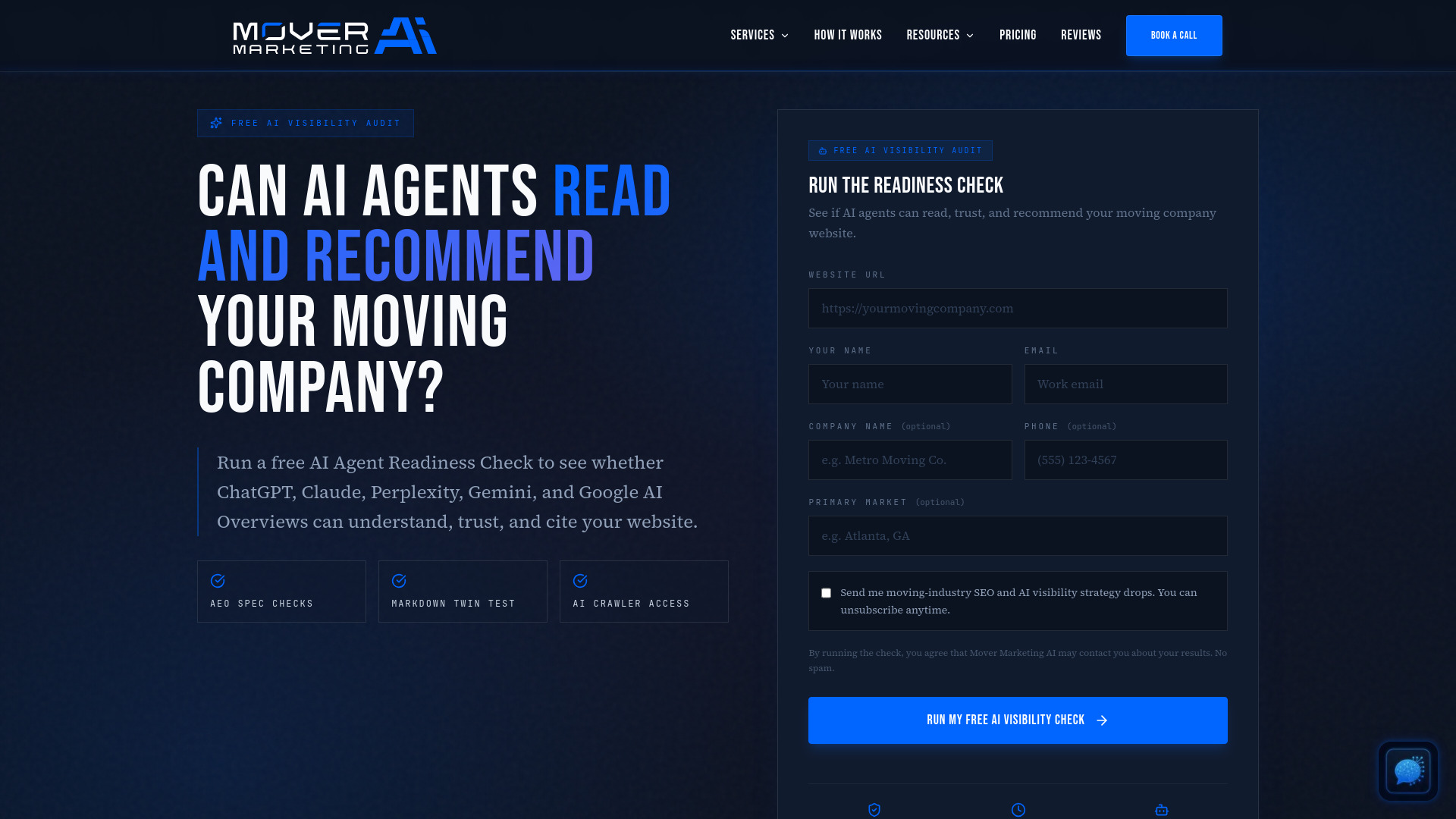
This free check looks at whether AI systems can read and interpret a moving company's website. It runs 28 website checks, marks results as pass, warning, or fail, and reports on areas such as crawler access, Markdown versions, schema, trust signals, and answer extraction. It even tests the URLs and headers that crawlers request. That's a concrete diagnostic for website visibility, but it's a different problem from assessing a vendor's security program. The tool's own limitation is worth keeping in view: a website-side scan cannot cover every external source that may influence AI recommendations. Growth and Scale SEO plans, PPC management, and website builds require custom quotes, so only the basic check is clearly free.
Best for
Moving company owners checking whether AI crawlers can access their website.
Marketers investigating website-side AI visibility signals.
Teams that want an itemized pass, warning, or fail diagnostic before considering paid services.
Limitations
The scan evaluates website signals, not every external source or vendor-control document.
It is not a vendor security assessment or questionnaire manager.
Broader SEO, PPC, and website services require a custom quote.
Shortlist signal: Use the free check for moving-company website AI visibility; don't use its results as evidence of vendor security.
7. BukiTools
- Content writers using lightweight AI utilities
- Free forever; no sign-up required
- Starts at Free: $0
- Usage signal: Not listed
Why it matters
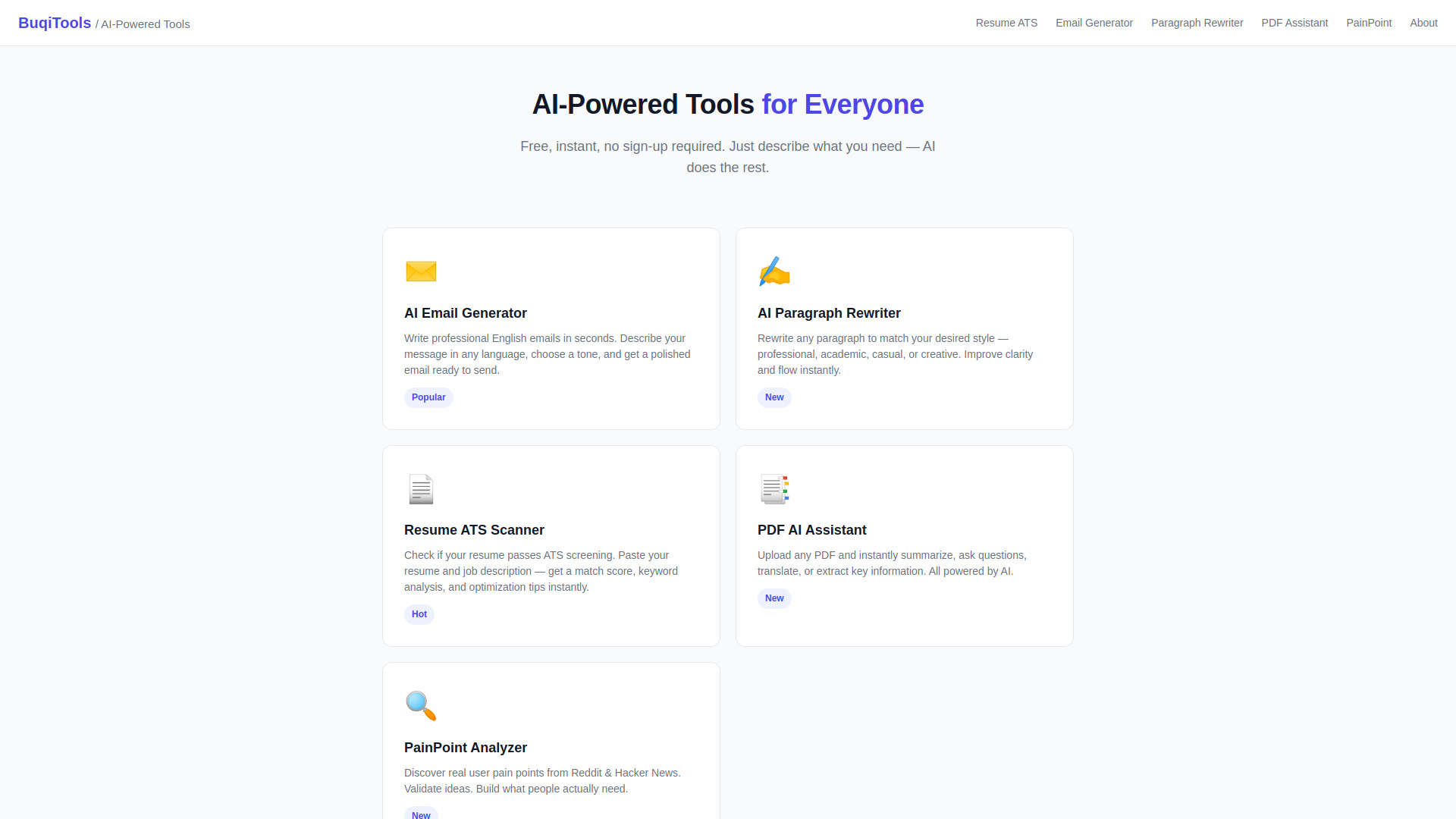
BukiTools puts five small AI utilities in one site, including email generation, paragraph rewriting, a PDF AI assistant, a resume ATS optimizer, and a pain-point analyzer. Its appeal is straightforward: free access, no registration, and a stated privacy-first approach that says data is not stored. That can be handy for low-friction writing and document tasks. But a broad bundle is not the same as a specialized security workflow. The listed features do not establish document-level permission controls, approved answer management, or a review trail for assessment responses. The product is also limited to the tools on the site, with no advanced plan or pricing tiers described.
Best for
Content writers who want a few basic AI tools without creating an account.
Users looking for quick email drafting or paragraph rewriting.
People exploring lightweight PDF assistance or resume-related utilities.
Limitations
The product is limited to its listed set of tools.
No questionnaire, vendor-risk, or security-evidence workflow is specified.
No advanced plans or pricing tiers are described.
Shortlist signal: Keep BukiTools in mind for lightweight writing utilities, not for handling sensitive vendor assessments.
8. Kosa8

- Developers running AI agents in isolated environments
- 14-day free trial
- Starts at Solo: $29/month or $290/year
- Usage signal: Not listed
Why it matters
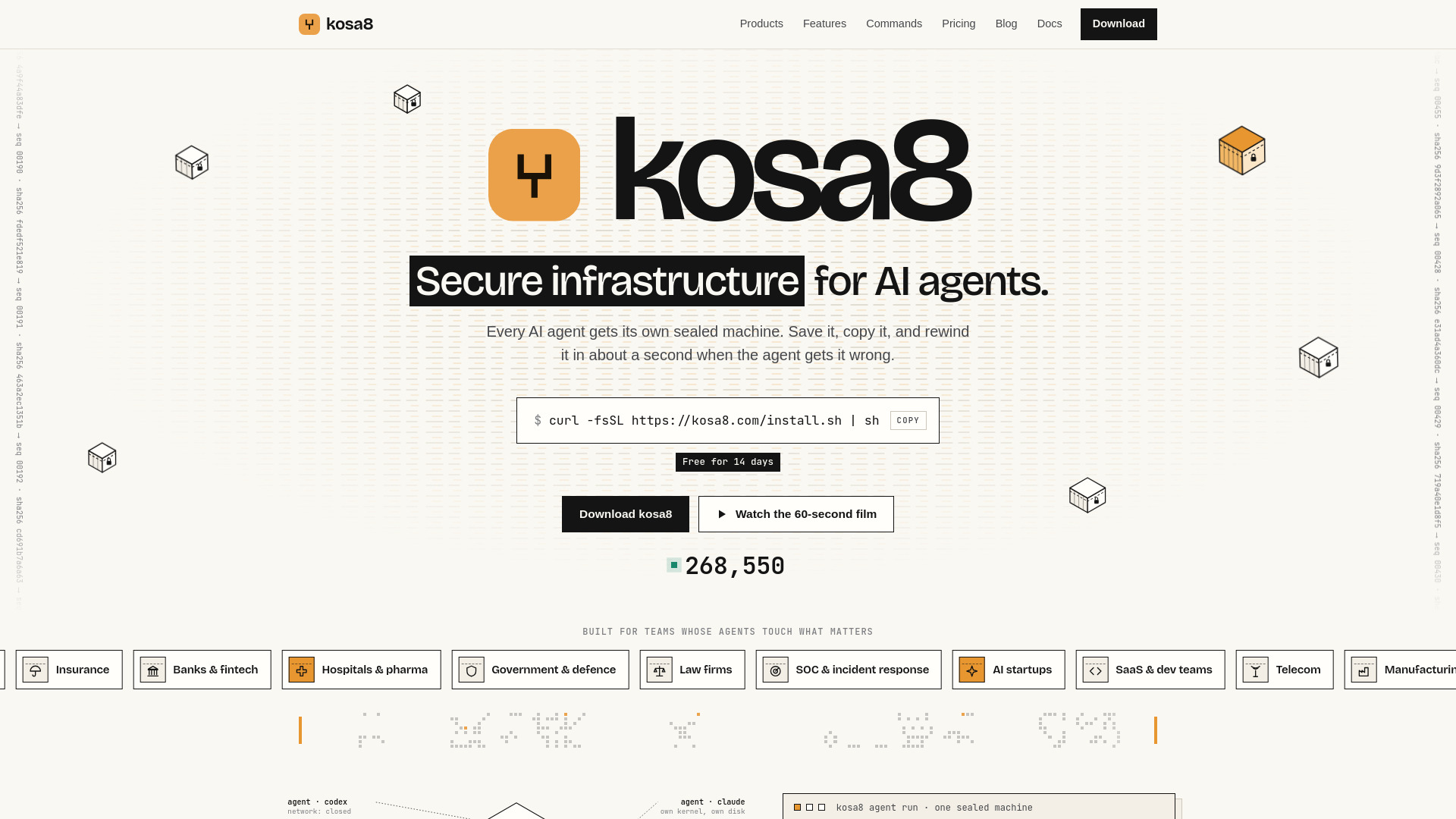
Kosa8's distinctive feature is the environment it gives AI agents: each agent runs in its own virtual machine with an independent kernel and disk, rather than sharing a container kernel. Users can save, copy, fork, and rewind sandboxes, while API keys stay outside the sandbox and outbound network access is restricted through an allow-list. Those are relevant controls for teams experimenting with agents that might handle sensitive materials. They still don't make Kosa8 a questionnaire automation tool. Buyers would need to establish how an agent connects to their evidence sources, whether generated answers can be reviewed and retained, and what controls exist around the full workflow. There is no permanently free tier, and plan limits apply to concurrent copies, sandbox resources, or both.
Best for
Software developers testing AI agents in isolated virtual machines.
Teams that want to restrict network access and keep API keys outside the sandbox.
Users who need to save, fork, or rewind agent environments.
Limitations
No questionnaire import, answer library, or submission process is specified.
Continued use requires a paid plan after the 14-day trial.
Concurrent copies and sandbox resources are subject to plan limits.
Shortlist signal: Add Kosa8 if safe agent execution is a prerequisite for your own workflow, then separately verify questionnaire-specific functionality.
9. JBOX

- Startup founders prototyping full-stack apps
- 100 free credits
- Starts at JBOX Pro: Free
- Usage signal: Not listed
Why it matters
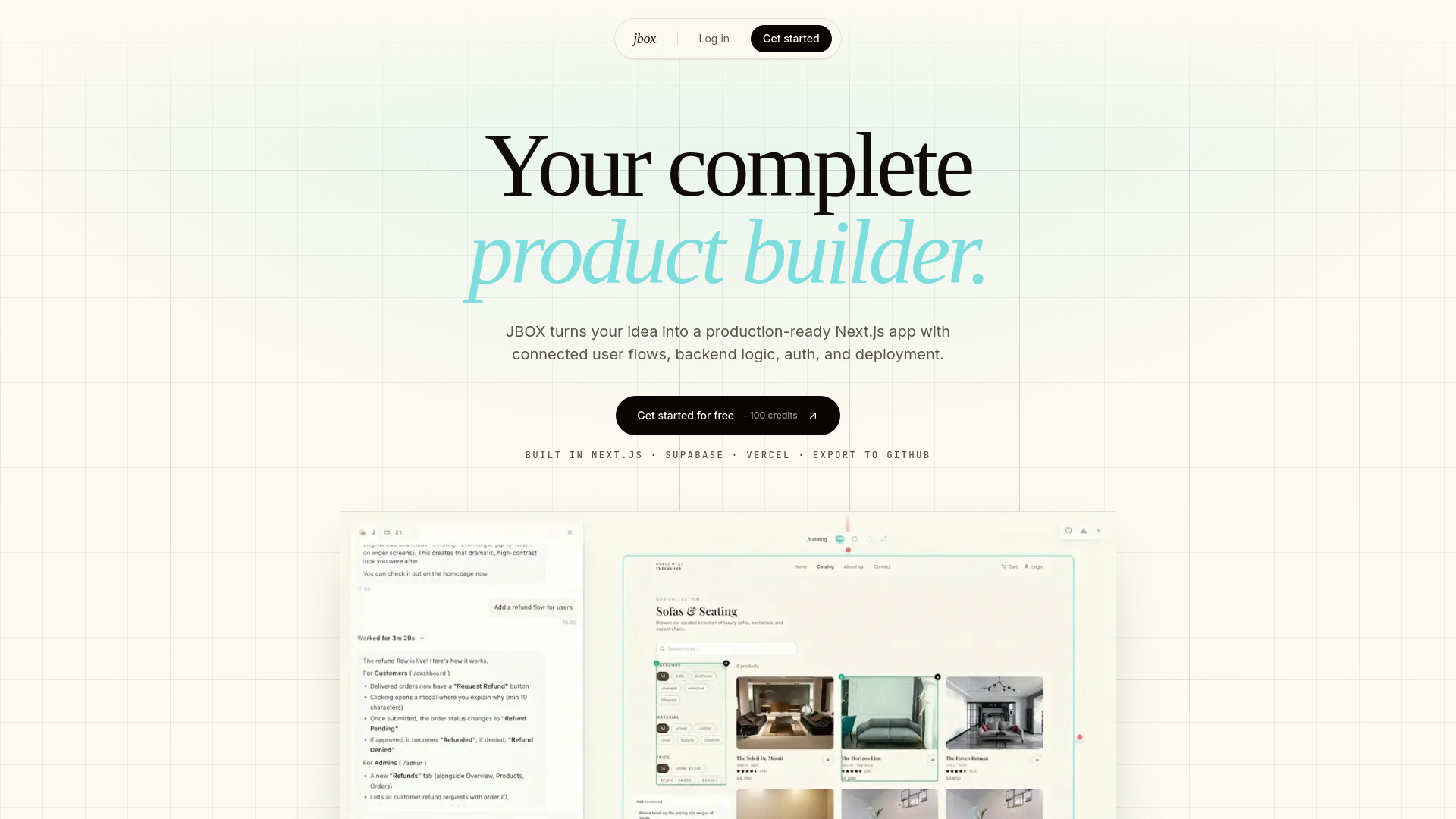
JBOX generates full-stack Next.js applications from prompts and emphasizes connected systems rather than isolated screens. Its feature set includes mapping user flows and multiple roles, plus modeling edge cases, permissions, and failure states. That may help a founder prototype an application with more of its logic visible from the start. It is not a security questionnaire product, and its mention of permissions does not establish a vendor-security review workflow. The platform is focused on the Next.js, Supabase, and Vercel stack, so teams outside that ecosystem may find it a poor fit. The 100 free credits provide a way to explore, but additional use requires $20 credit top-ups.
Best for
Startup founders sketching a connected full-stack product from a prompt.
Teams mapping user flows, roles, and edge cases during prototyping.
Builders already working with the Next.js, Supabase, and Vercel stack.
Limitations
Its stated job is app generation, not vendor assessment automation.
The platform is focused on a specific technology stack.
Continued use beyond included credits requires $20 credit top-ups.
Shortlist signal: Try JBOX for a stack-compatible app prototype, not as a ready-made security questionnaire system.
10. AvantaGPT

- Developers and cybersecurity researchers using AI assistance
- 5 requests per day
- Starts at Free: $0/month
- Usage signal: Not listed
Why it matters
AvantaGPT is the most explicitly cybersecurity-oriented assistant in this group. Its described uses include security research, vulnerability analysis, scripting, and technical workflows, alongside code generation, analysis, refactoring, and debugging. That may make it worth evaluating for a technical user who wants chat and developer tools in one place. But cybersecurity focus does not equal vendor questionnaire automation. The listed capabilities do not confirm that the assistant can retrieve approved company answers, cite current evidence, enforce access controls, or route responses for approval. Its free plan is capped at five requests a day, and paid plans use monthly credit allowances. For any sensitive security work, check data handling and output verification directly with the vendor.
Best for
Developers who want AI help with coding and code analysis.
Cybersecurity researchers exploring technical workflows and scripting.
Linux and other technical power users who need a chat-based assistant.
Limitations
No questionnaire-specific answering, evidence library, or approval workflow is specified.
The free plan allows five requests per day.
Paid plans use monthly credit allowances, and outputs need human verification.
Shortlist signal: Evaluate AvantaGPT for technical cybersecurity assistance, but require a separate demonstration before treating it as questionnaire automation.
What to test before choosing
A short demo can quickly separate a real questionnaire platform from an adjacent AI tool. Ask each vendor to work through a sample assessment that resembles your actual process, using test data rather than sensitive company information.
Import: Can the product accept the formats your customers send, including spreadsheets and documents? Does it preserve question structure and required fields?
Answer reuse: Can it find approved answers in a maintained knowledge base? Can it distinguish a verified response from a generated guess?
Evidence: Can it attach current policies, reports, or other evidence to individual answers and show where each answer came from?
Review controls: Can subject-matter experts approve, edit, or reject responses? Is there a record of who changed or approved an answer?
Security and data handling: Ask where data is processed and stored, who can access it, and whether it is used to train models. Verify the answers against your organization's requirements.
Output and handoff: Can it return the completed assessment in the format your customer requires, and can your team inspect the final file before it is sent?
Cost at real volume: Get a quote based on your questionnaire count, seats, usage, and required integrations. Trial limits and credit pricing can change the practical cost.
For teams researching the top ai tools for vendor security, keep a separate scorecard for security posture and questionnaire workflow coverage. A safe environment or access-control feature may support your process, but neither proves that a product can produce accurate, reviewable answers.
What to do next
First, write down the questionnaire formats you handle, who owns each answer, where supporting evidence lives, and what approval is required before submission. Then look for vendors that demonstrate those steps in a real workflow. Use this list only if one of its adjacent capabilities solves a separate need-such as agent isolation, internal app governance, or technical research. Ask vendors for live pricing and a product walkthrough, and don't treat a high general score as a category-specific endorsement.
If a vendor presents itself as top-rated ai software for vendor security assessments, ask it to show evidence retrieval, answer provenance, permissions, reviewer sign-off, and export in your own assessment format. If it cannot demonstrate those basics, it has not yet earned a place on your questionnaire automation shortlist.
Common mistakes when choosing from a complex top list
Treating security-adjacent as security-questionnaire-specific. A cybersecurity assistant, app-governance platform, or isolated agent sandbox may be useful, but none automatically answers vendor questionnaires.
Ranking by score alone. Scores here are candidate ranking signals, not proof of accuracy or workflow coverage for this exact job.
Assuming generated means verified. Ask where an answer came from, when its supporting evidence was last reviewed, and who approved it.
Overlooking process ownership. Automation still needs clear owners for policy evidence, exceptions, and final sign-off.
Comparing free access without testing limits. Trials, credits, request caps, and paid add-ons affect how a product works at your actual volume.
FAQ
No. The capabilities described for these candidates do not establish questionnaire imports, reusable approved answers, evidence mapping, approvals, or assessment submission. Several have adjacent features, but buyers should verify the full workflow with a vendor before considering one for this job.