
The phrase top-rated ai-powered vr learning experiences covers a wider field than headset-based lessons alone. The strongest options here range from no-code interactive worlds and 3D teaching environments to AI avatars, branching simulations, voice-driven practice, and game-based corporate training. We compared 10 tools across those segments, paying close attention to who can build with them, how much setup they demand, and whether the experience produces useful learning feedback rather than just visual novelty.
Start here
There is no single winner for every kind of immersive learning project. A teacher building a branching classroom simulation needs a different product from a police academy rehearsing spoken scenarios, while an HR team may care more about measurable participation than 3D realism.
Best overall match: Aippy for fast, no-code interactive creation and digital art.
Best for teachers: Wonda VR for drag-and-drop learning simulations with branching scenarios and conversational characters.
Best for course operations: VEGA AI for course creation, grading, feedback, and AI avatar support.
Best for 3D training content: We Are Learning for turning scripts into animated stories and simulations.
Best for immersive study: CuriosityXR for a large 3D model library and AI Teacher assistance.
Best for realistic spoken practice: Kaiden AI for voice-driven simulations and immediate feedback.
Best for measurable corporate learning: Play2Learn for AI-powered games, personalized learning, and live metrics.
The quick read: start with Wonda VR or We Are Learning if you need authored training content, CuriosityXR if learners will explore 3D objects, and Kaiden AI if the skill depends on what people say under pressure. Aippy is the most flexible starting point for creators who want to build without code.
Segment comparison
| Segment | Strongest fit | What it does well | Main trade-off |
|---|---|---|---|
| No-code interactive creation | Aippy | Converts natural-language ideas into interactive content | Complex game logic may exceed its comfort zone |
| Immersive lesson authoring | Wonda VR | Branching scenarios and AI conversational characters | AI features are still in beta |
| AI course operations | VEGA AI | Personalization, grading, and student support | Requires onboarding and workflow changes |
| 3D animated training | We Are Learning | Turns scripts into 3D stories in multiple languages | Story and character limits affect scale |
| Device-based exploration | CuriosityXR | AI Teacher plus more than 1M 3D models | Requires mixed-reality hardware |
These segments overlap, but they do not compete on the same job. A polished 3D animation is not automatically an effective assessment, and a strong AI tutor may not create a VR scene at all. Treat the category as a field guide to learning experiences, not a race to find the product with the most impressive demo.
Shortlist paths
| Your priority | Start with | Why |
|---|---|---|
| Build an experience without programming | Aippy | Natural-language generation and a touch-based creative playground |
| Create classroom simulations | Wonda VR | Drag-and-drop authoring, branching, and AI dialogue |
| Reduce grading and admin work | VEGA AI | Automated grading, feedback, and AI avatar support |
| Produce repeatable employee training | We Are Learning | Scriptwriting help and automatic 3D animation |
| Practice high-stakes conversations | Kaiden AI | Voice interaction, customizable scenarios, and real-time feedback |
If the buyer is an individual learner rather than an instructional designer, Hevolve and CuriosityXR deserve earlier consideration. If the buyer is a marketing team creating branded digital experiences, AIGenesis is a more natural adjacent option than a traditional learning authoring tool.
Ranking snapshot
| Rank | Tool | Score | Best for | Starting price |
|---|---|---|---|---|
| #1 | Aippy | 93/100 | Digital artists | Check vendor pricing |
| #2 | Wonda VR | 92/100 | Teachers | Trial: Free |
| #3 | VEGA AI | 92/100 | Educators | Check vendor pricing |
| #4 | We Are Learning | 91/100 | HR professionals | Starter: 89 EUR/mo |
| #5 | CuriosityXR | 89/100 | Students | Check vendor pricing |
| #6 | 2V | 89/100 | Personal experience creators | Check vendor pricing |
| #7 | AIGenesis | 89/100 | Marketing directors | Starter: $29/month |
| #8 | Kaiden AI | 89/100 | Police academies | Check vendor pricing |
| #9 | Hevolve | 89/100 | Students | Check vendor pricing |
| #10 | Play2Learn | 89/100 | HR professionals | Explorer: $99/month |
How we grouped and ranked the list
This is a complex category, so a simple feature-count ranking would be misleading. We grouped the products by the learning job they support: creating interactive content, authoring immersive lessons, automating course delivery, exploring 3D material, rehearsing dialogue, and measuring game-based participation.
The score reflects the usefulness of the core workflow, not the amount of AI language in a product description. We gave more weight to concrete creation or teaching functions, audience fit, and the ability to produce a repeatable experience. Market signals helped separate similarly capable tools, but they did not override obvious fit problems. For example, a product built for law-enforcement voice simulations should not outrank a general classroom platform for a school buyer simply because its demo feels more dramatic.
We also treated pricing and access as buying considerations. Wonda VR offers a free workspace with up to three experiences and five messages per session, while We Are Learning lists a Starter plan at 89 EUR per month. AIGenesis starts at $29 per month, and Play2Learn lists an Explorer plan at $99 per month. Several vendors require you to check current pricing directly, so confirm quotas, seats, device requirements, and commercial-use terms before committing.
Ranked field notes
1. Aippy

- Digital artists
- No-sign-up interactive creations and natural-language game generation
- Starts at Check vendor pricing
- Usage signal: 132.9K

Why it matters
Aippy earns the first position by making the act of building feel accessible to people who think visually rather than like programmers. Its natural-language-to-interactive-content workflow, no-code creative playground, and touch-based interface give digital artists a practical way to sketch a playable or explorable idea quickly. That matters in learning projects because an instructor or subject-matter expert can prototype an interaction before a technical team invests in a full build. The catch is that output quality depends heavily on how clearly you describe the experience, and sophisticated game logic may still call for a traditional engine.
Best for
Digital artists and creative educators prototyping interactive lessons
Small teams without programming resources
Early-stage concepts that need fast visual iteration
Limitations
Vague prompts can lead to weaker content
Complex game logic may be less flexible than in traditional engines
Confirm current pricing and usage limits with the vendor
Shortlist signal: Add Aippy first when you want to turn a learning idea into an interactive prototype without writing code.
2. Wonda VR

- Teachers
- 1 workspace, 3 experiences, and up to 5 AI messages per session
- Starts at Trial: Free
- Usage signal: 6.2K
Why it matters
Wonda VR is the clearest fit for educators who want to author immersive learning simulations rather than merely show learners a 3D scene. Drag-and-drop authoring lowers the setup barrier, while branching scenarios and AI conversational characters support lessons with more than one correct path. The free workspace gives a teacher a meaningful way to test the workflow, although group-session limits and beta AI features make a pilot essential before a broad rollout. Its strength is instructional structure: learners can make choices, encounter dialogue, and move through a designed scenario.
Best for
Teachers building scenario-based lessons
Training designers who need branching conversations
Small pilots where a free workspace is useful
Limitations
AI capabilities are in beta
Free-trial group sessions support limited users
More complex deployments need careful testing before purchase
Shortlist signal: Choose Wonda VR when the lesson depends on decisions, branching paths, and simulated conversation.
3. VEGA AI

- Educators
- Admin-task and grading automation with personalized AI avatars
- Starts at Check vendor pricing
- Usage signal: 13.9K
Why it matters
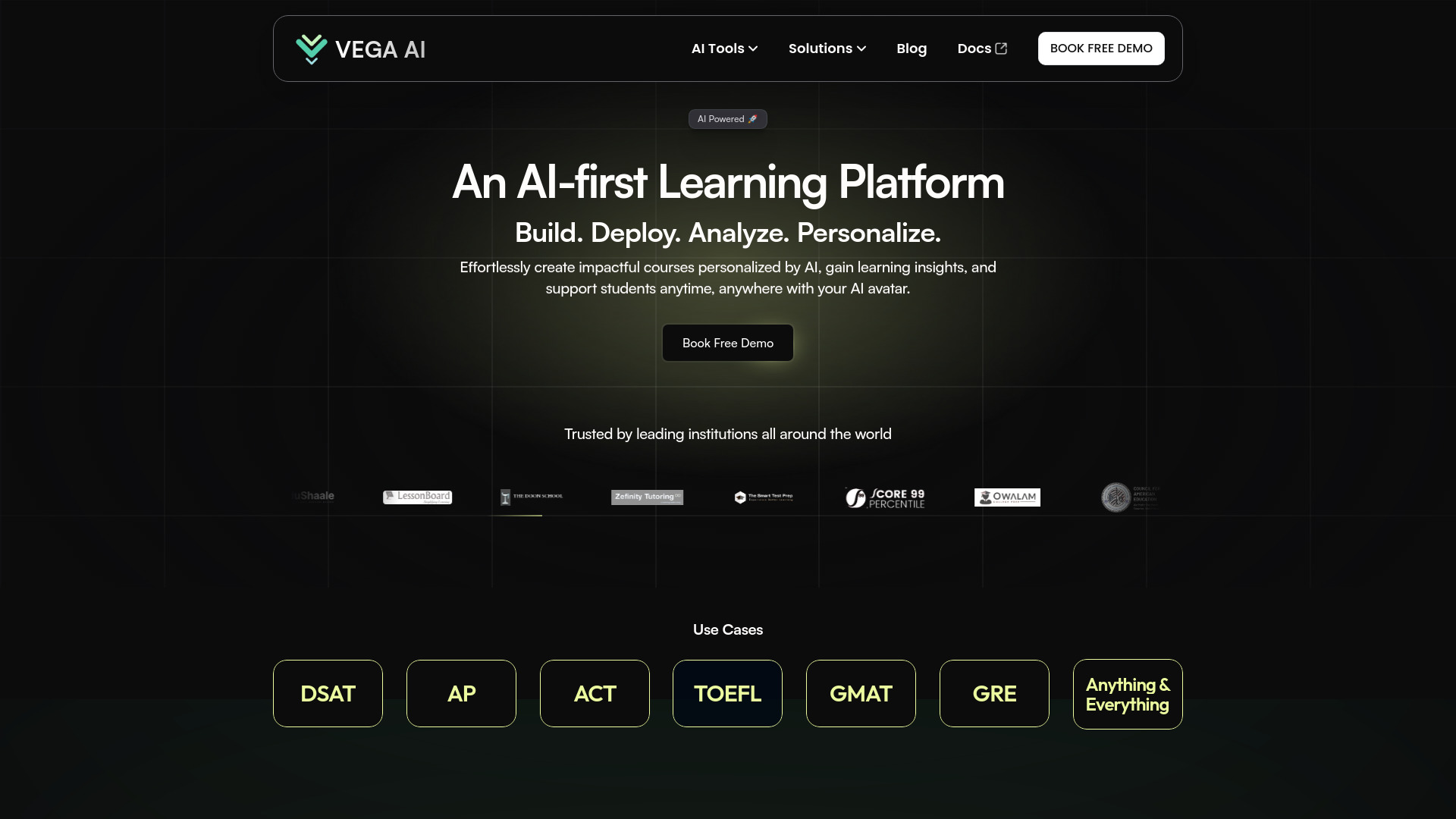
VEGA AI approaches immersive education from the operational side. Its AI-driven course creation and personalization are paired with automated grading, feedback, and 24/7 AI avatar support for students. That combination is valuable for educators who are already overwhelmed by repetitive work and need a system that can extend support beyond scheduled teaching time. It is less about building a single spectacular virtual scene and more about adding AI assistance throughout a course. The trade-off is real: onboarding takes time, and educators may need to adjust their teaching style around the new tools.
Best for
Educators managing recurring courses and feedback
Programs that need personalized student support
Teams trying to reduce administrative workload
Limitations
Initial setup and onboarding are required
Faculty may need to adapt existing teaching practices
Pricing is not presented as a simple public starting point
Shortlist signal: Put VEGA AI on the list when grading, personalization, and ongoing student support matter as much as immersion.
4. We Are Learning

- HR professionals
- 3D animated videos and interactive simulations
- Starts at Starter: 89 EUR/mo
- Usage signal: 332
Why it matters
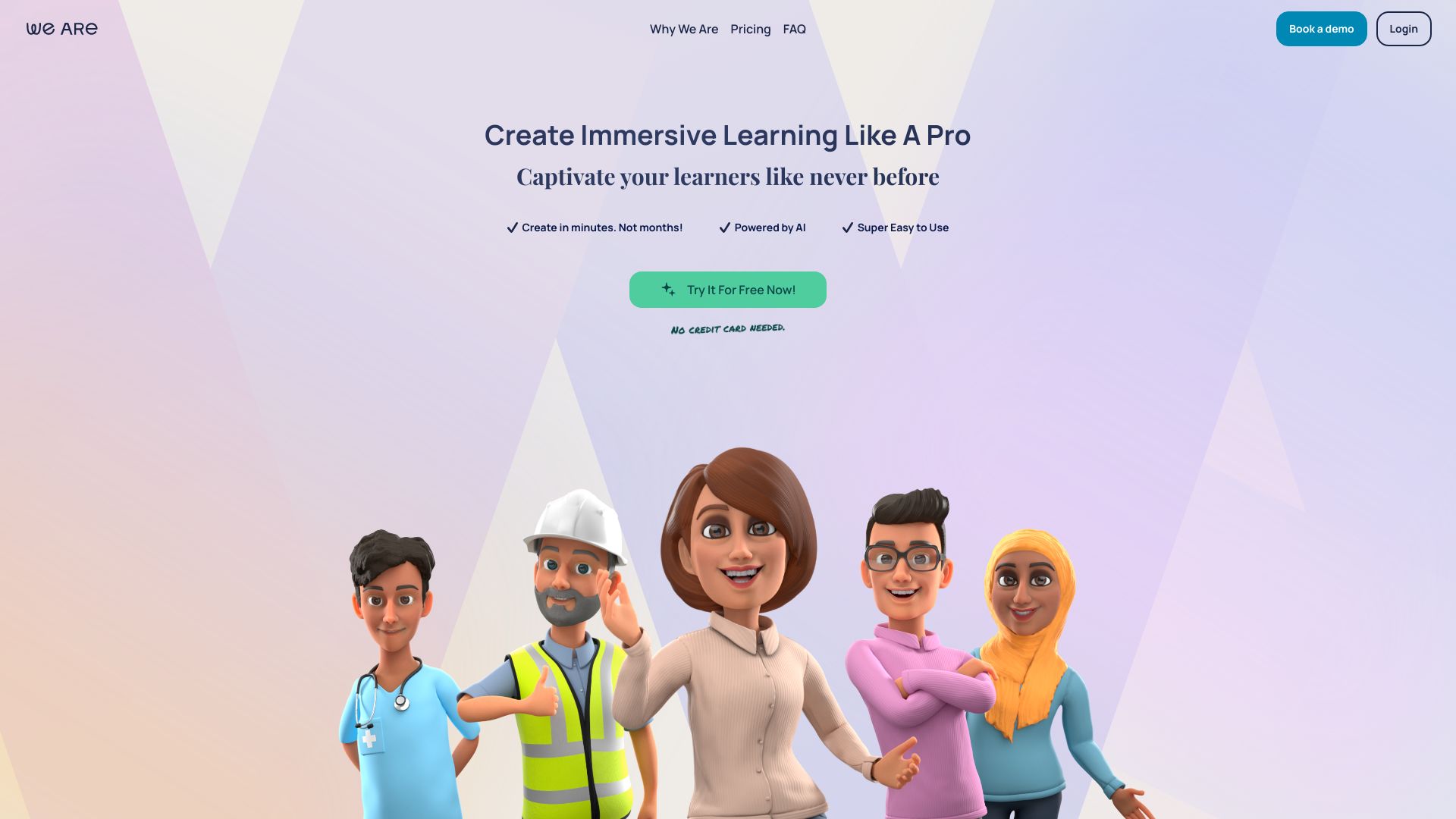
For HR and learning teams, the hardest part of immersive training is often content production rather than the lesson concept. We Are Learning addresses that bottleneck with AI scriptwriting assistance and automatic conversion of scripts into 3D animations. Multi-language support makes the workflow more practical for distributed organizations, especially when the same training idea needs several localized versions. The Starter price is clear, but plan limits matter: the number of Stories is restricted on Starter and Pro, and custom characters may cost extra. This is a good production shortcut, not an unlimited studio.
Best for
HR professionals creating repeatable employee training
Teams starting from written scripts
Organizations that need multi-language content
Limitations
Starter and Pro plans limit the number of Stories
Custom characters can add cost
The small public traffic signal makes hands-on validation especially important
Shortlist signal: Choose it when your training team has scripts ready and needs a faster route to 3D animated lessons.
5. CuriosityXR

- Students
- AI Teacher, more than 1M 3D models, and personalized learning
- Starts at Check vendor pricing
- Usage signal: Not listed
Why it matters
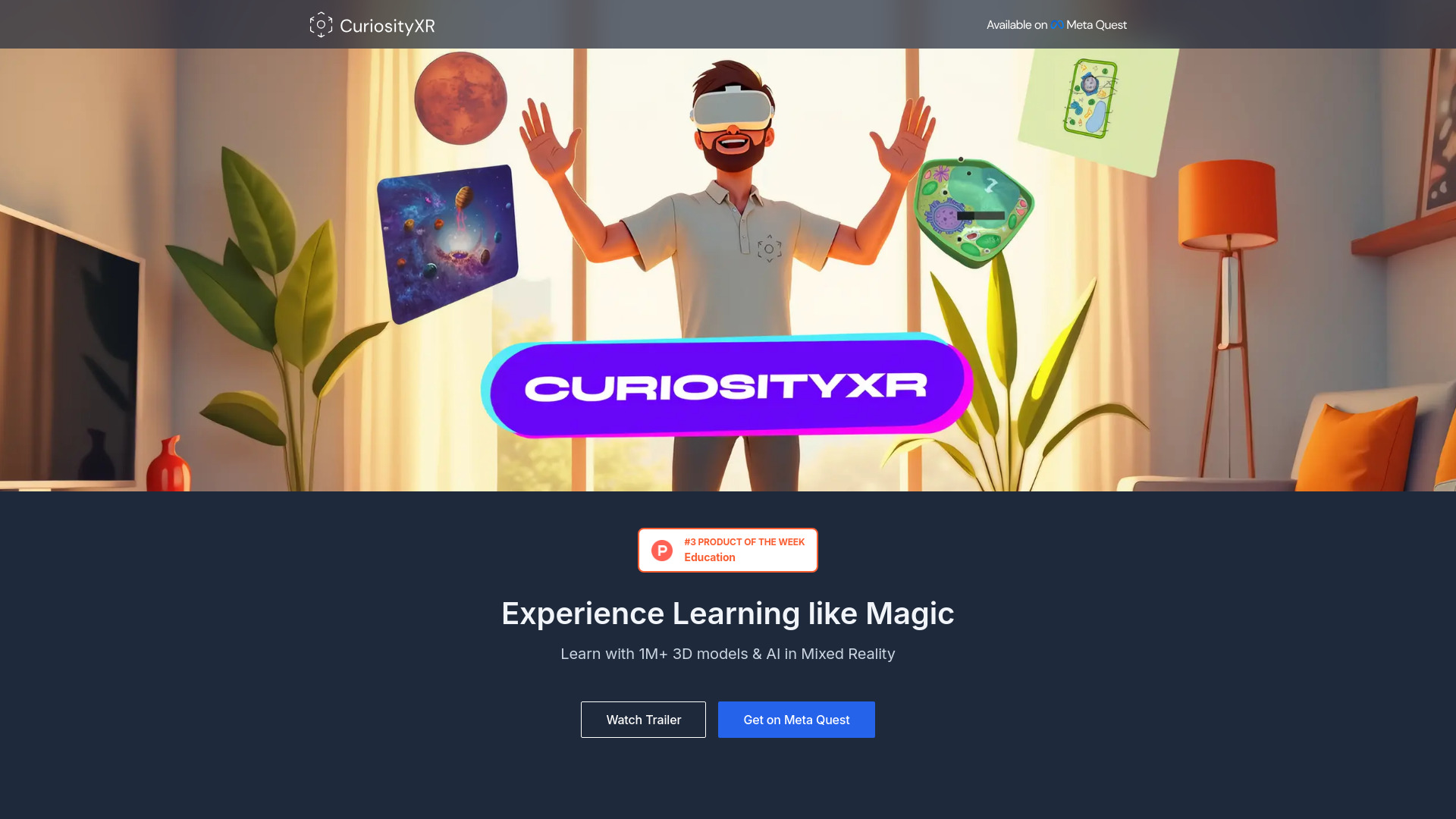
CuriosityXR stands out for learners who benefit from inspecting and navigating objects instead of reading about them in the abstract. A library of more than 1 million 3D models gives the experience breadth, while AI Teacher assistance and personalized learning journeys add guidance around that material. This makes it an appealing option for exploratory study and visual subjects. There is a practical hardware boundary, however: mixed-reality devices such as Meta Quest are required, and new users may need time to learn the interface.
Best for
Students learning through spatial and visual exploration
Schools with compatible mixed-reality hardware
Lessons that benefit from a large 3D reference library
Limitations
Requires mixed-reality devices
New users may face a learning curve
Usage and pricing signals are not publicly listed here
Shortlist signal: Shortlist CuriosityXR when learners need to examine 3D objects and your organization already supports the required hardware.
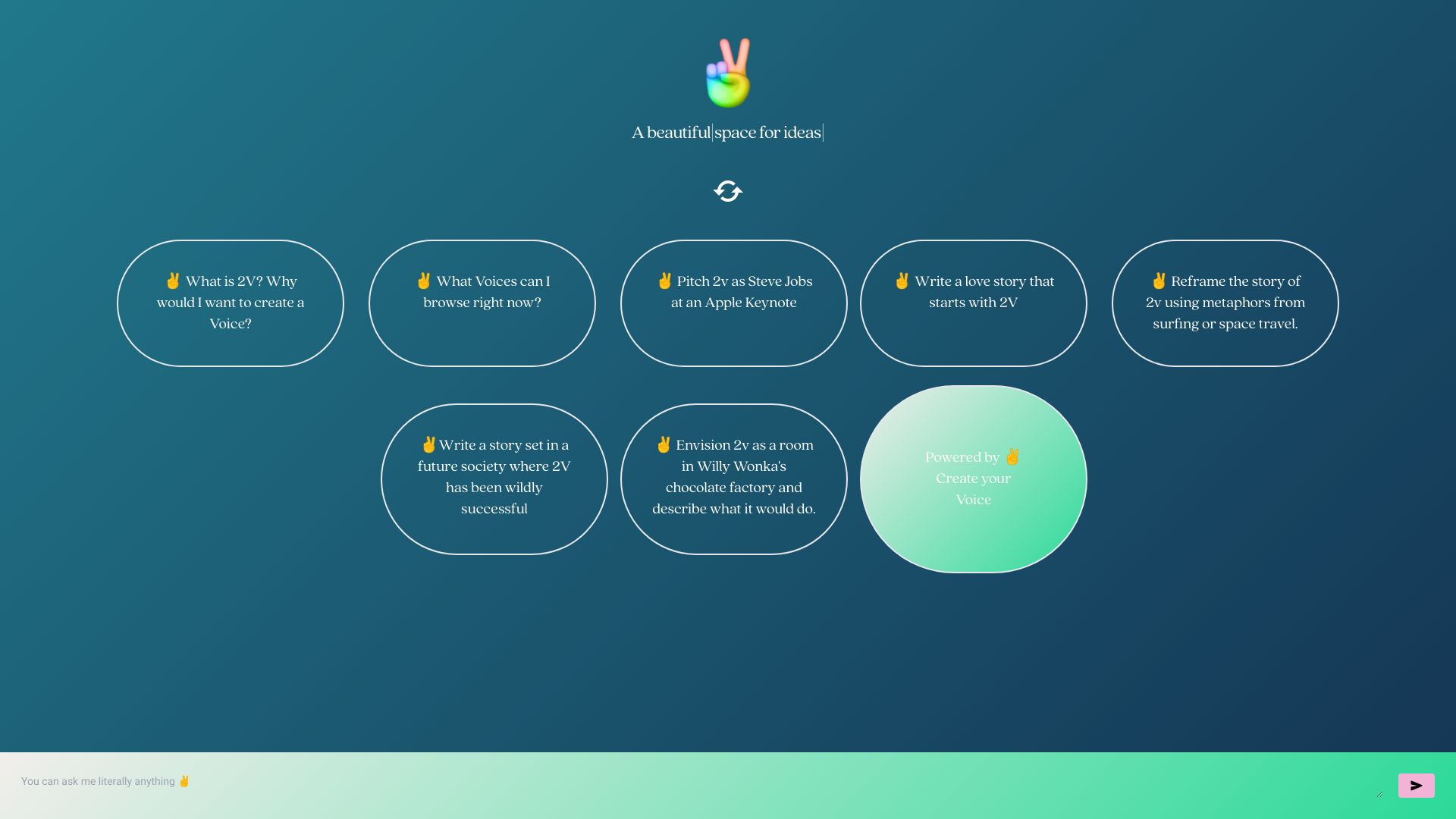
6. 2V

- Individuals sharing life experiences
- Create interactive AI experiences and a voice-based AI tour guide
- Starts at Check vendor pricing
- Usage signal: Not listed
Why it matters
2V takes an unexpected but useful route into experiential learning: it turns a person's voice and life material into an interactive AI experience. Its personalized AI tour guide and voice-based interaction could support oral-history projects, personal storytelling, guided introductions, or learning experiences built around lived expertise. That makes it more personal than a standard course platform, but also more dependent on the quality and appropriateness of the content a creator shares. Privacy and consent should be part of the pilot, not an afterthought.
Best for
Individuals creating personal or autobiographical experiences
Storytelling and oral-history projects
Voice-led tours and informal learning
Limitations
Requires sharing personal information
The experience depends on the quality of the source material
It is a less conventional fit for formal institutional training
Shortlist signal: Consider 2V when the learning value comes from a person's story, voice, and perspective.
7. AIGenesis
- Marketing directors
- Instant content generation and custom AI model deployment
- Starts at Starter: $29/month
- Usage signal: Not listed
Why it matters
AIGenesis is a broader visual and digital-experience studio rather than a dedicated classroom platform, which makes it a worthwhile adjacent option for marketing-led learning content. AI-powered creation, smart templates, and collaborative workflow can help a team produce branded interactive material quickly, particularly when the experience needs to live alongside campaigns or customer education. The $29 monthly starting point is approachable for experimentation, but pricing can become a barrier as needs grow. The other caution is creative control: heavy reliance on AI may leave a team with more editing work than expected.
Best for
Marketing directors creating branded educational experiences
Collaborative teams producing content quickly
Early prototypes that need reusable templates
Limitations
Pricing may not suit every organization
AI-generated output can reduce fine-grained creative control
It is not positioned as a complete learning-management workflow
Shortlist signal: Add AIGenesis when brand control and collaborative digital content matter more than formal assessment features.
8. Kaiden AI

- Police academies
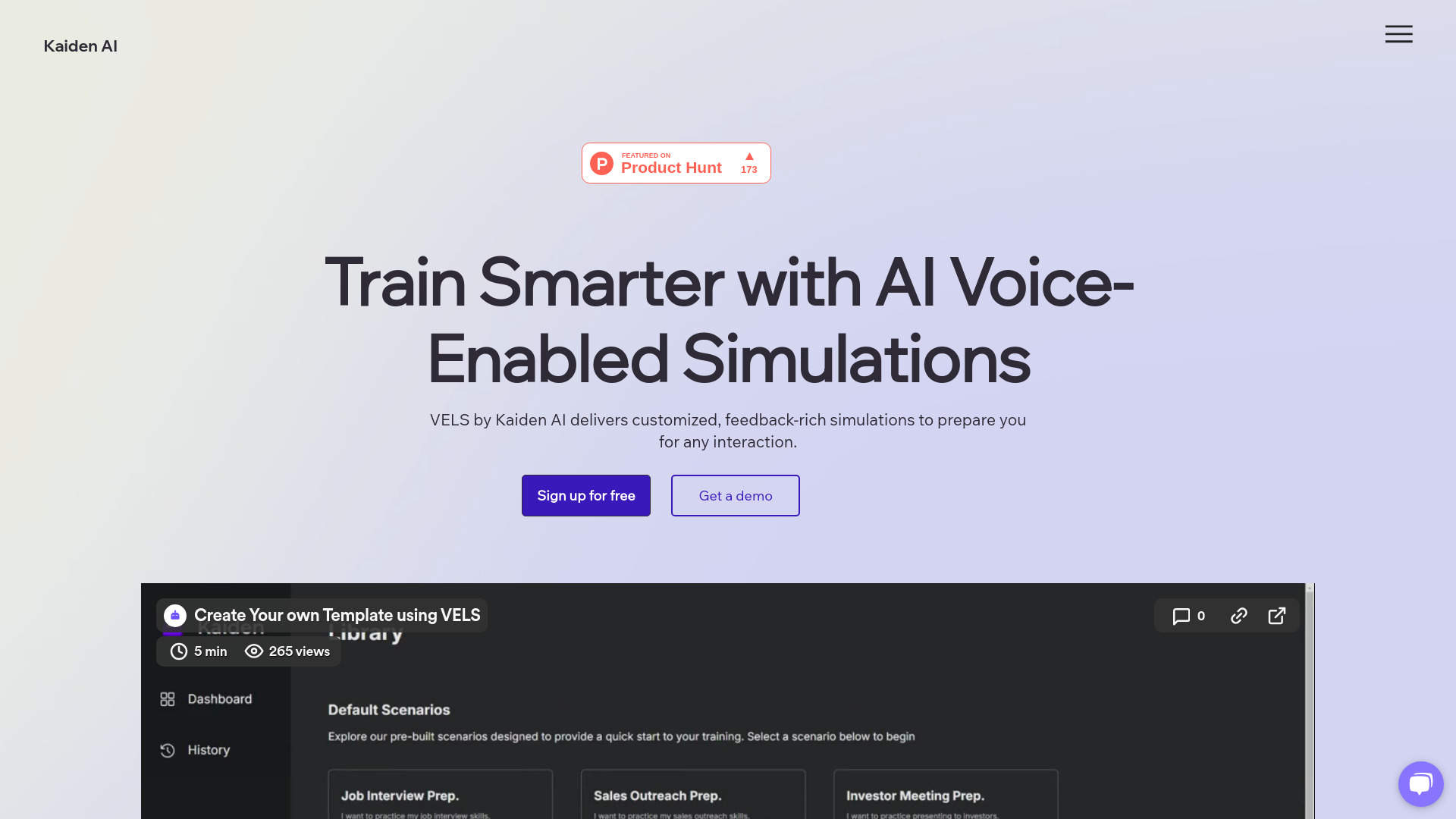
- Voice-driven simulations, real-time feedback, and custom scenarios
- Starts at Check vendor pricing
- Usage signal: Not listed
Why it matters
Kaiden AI is the specialist pick for training where words, timing, and judgment matter. Voice-driven simulations let trainees practice in a more responsive environment, while real-time feedback turns the session into a learning loop rather than a passive role-play. Customizable scenarios are particularly relevant to police academies and other high-stakes programs that need context-specific practice. Audio quality matters, and the scenario design has to be thoughtful; a generic conversation will not reliably test the skill a program cares about.
Best for
Police academies and public-safety training programs
Spoken decision-making and de-escalation practice
Teams that can author and review realistic scenarios
Limitations
Voice interaction may require good audio equipment
Outcomes depend heavily on scenario design
Public pricing is not clearly listed
Shortlist signal: Choose Kaiden AI when learners must practice what to say and receive feedback immediately.
9. Hevolve

- Students
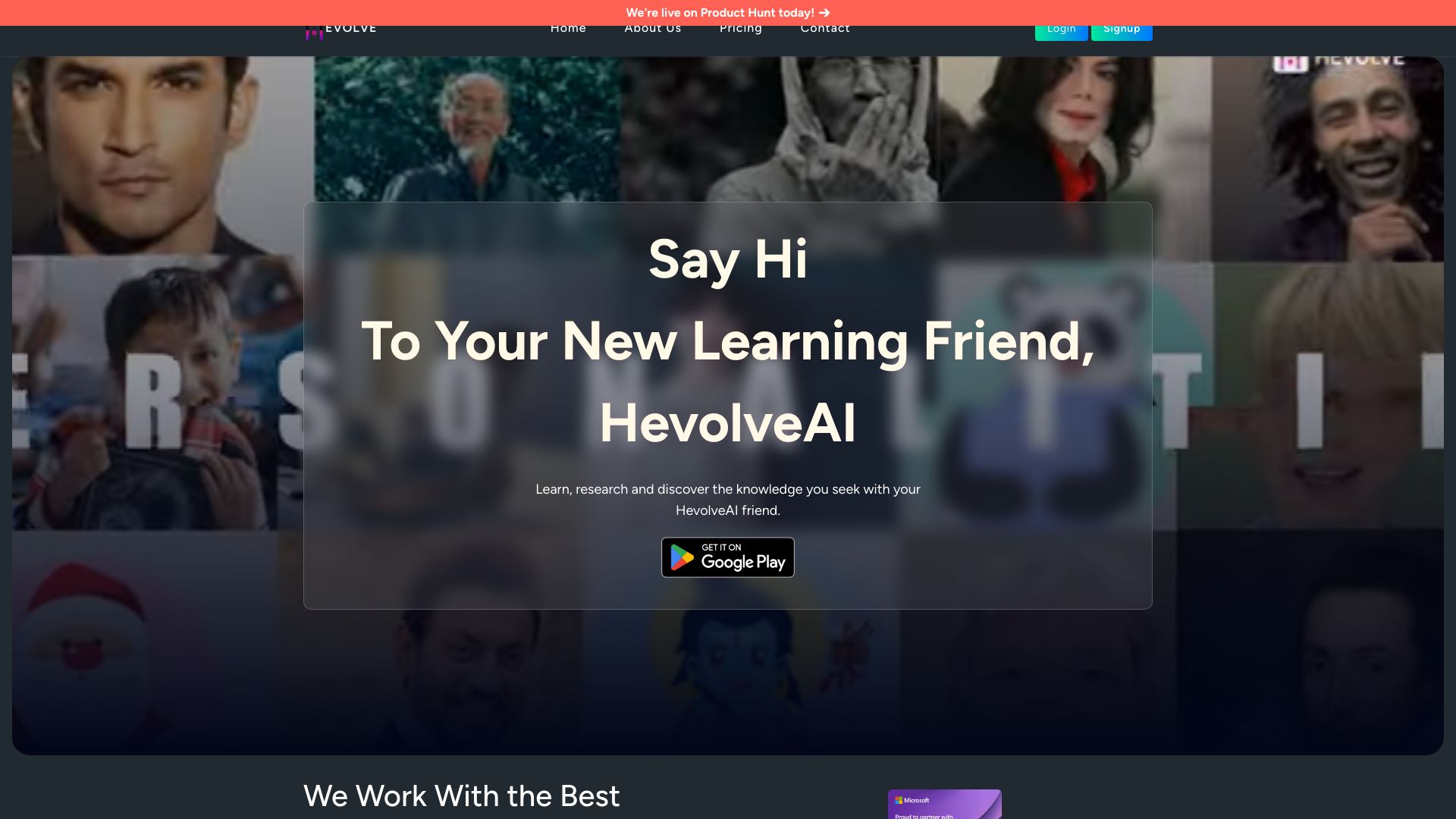
- Personalized learning with AI avatars and 24/7 digital income for experts
- Starts at Check vendor pricing
- Usage signal: Not listed
Why it matters
Hevolve focuses on the learner's ongoing relationship with AI-led instruction. Personalized learning paths and avatar-led teaching can make study feel more guided than a static library, while AI agent creation adds a separate path for experts who want to package knowledge or generate income. It is a sensible option for self-directed learners and subject experts experimenting with digital instruction. The limitation is the familiar one with AI tutors: they may miss the nuance of a human interaction, and technical downtime can interrupt the learning flow.
Best for
Students who want personalized, avatar-led study
Experts exploring AI agent creation
Self-directed learning outside a traditional classroom
Limitations
AI may not understand nuanced human interactions
Technical problems or downtime can affect access
Pricing is not clearly listed for comparison
Shortlist signal: Shortlist Hevolve when personalized AI guidance is the priority and human tutoring is not always available.
10. Play2Learn

- HR professionals
- 10 credits and AI-powered games for skill development
- Starts at Explorer: $99/month
- Usage signal: Not listed
Why it matters
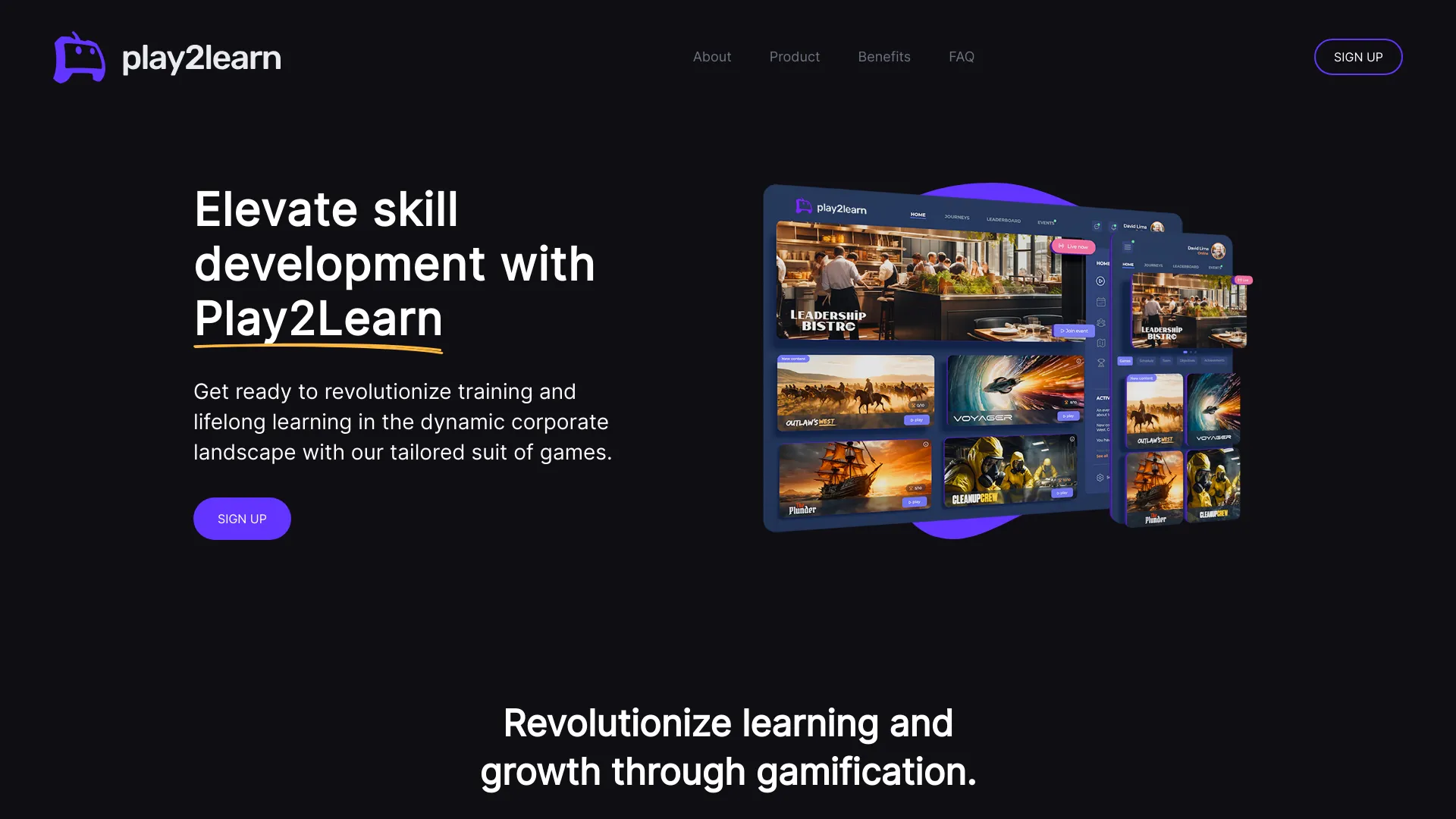
Play2Learn is the practical choice for organizations that want participation data alongside playful skill development. AI-powered games and personalized learning support engagement, while real-time, shareable metrics give HR teams a way to inspect progress in a dashboard rather than rely on anecdotal enthusiasm. The $99 monthly Explorer plan makes the purchase easier to frame, but subscription pricing will not suit every organization. Teams should also monitor AI-generated content for relevance and accuracy before using it in consequential training.
Best for
HR teams running skills programs
Organizations that need shareable learning metrics
Corporate training where gamification supports repeat participation
Limitations
Subscription pricing may be a barrier
AI output needs monitoring for relevance and accuracy
Game-based learning is not the right format for every skill
Shortlist signal: Choose Play2Learn when engagement data and repeatable skill games are central to the training plan.
What to test before choosing
Run a small, identical pilot in two or three shortlisted products. Do not judge only the headset experience or the first generated scene. Ask each tool to support one real learning objective, one learner decision, and one way to review performance.
- 1
Authoring speed: Can a subject-matter expert create a usable first draft without engineering help?
- 2
Learning structure: Does the tool support branching, feedback, personalization, or assessment where your lesson needs it?
- 3
Learner friction: How quickly can a first-time user understand the controls, voice interaction, and next step?
- 4
Device reality: Confirm whether the experience needs Meta Quest or other mixed-reality hardware, and test on the devices learners actually have.
- 5
Content control: Check how much you can edit AI-generated scripts, characters, scenarios, and feedback.
- 6
Operational fit: Test invitations, group sessions, language support, dashboards, and the handoff from a pilot to repeated use.
- 7
Cost boundaries: Verify seats, credits, experience limits, custom characters, AI message quotas, and any trial restrictions directly with the vendor.
The best product is usually the one that makes the complete learning loop easy: prepare the experience, run it, observe what happened, and improve the next version.
What to do next
Choose one path rather than trying to evaluate every feature at once. For a classroom simulation, pilot Wonda VR with one branching lesson. For 3D content production, compare We Are Learning with CuriosityXR using the same subject matter. For spoken practice, create one Kaiden AI scenario and have instructors review its feedback. For a no-code creative experiment, start with Aippy and measure how long it takes to reach a usable prototype.
Keep the first pilot narrow enough to finish in a week or two. Record authoring time, learner completion, points of confusion, and the quality of feedback. Then ask whether the tool solved a teaching problem or simply added a new format. That evidence will be more useful than a long feature checklist.
Common mistakes when choosing from a complex top list
Treating VR as the objective: Immersion is a delivery method. Start with the skill or concept learners must retain.
Comparing unlike products by feature count: An AI tutor, 3D library, scenario authoring tool, and training dashboard serve different jobs.
Ignoring the authoring workload: A beautiful demo is not useful if instructors cannot update the lesson.
Skipping device checks: Hardware requirements can eliminate an otherwise attractive option.
Assuming AI feedback is automatically correct: Review scenarios and responses before using them for high-stakes evaluation.
Overlooking usage caps: Message limits, credits, Stories, seats, and group-session restrictions can change the economics quickly.
Choosing on price alone: A low starting price may not include the content volume, collaboration, or feedback workflow your program needs.
Failing to define success: Decide whether you are measuring completion, skill improvement, confidence, authoring time, or operational savings.
FAQ
They are learning or training products that use AI alongside immersive, interactive, 3D, avatar-led, voice-driven, or game-based experiences. The category includes dedicated VR platforms such as Wonda VR and CuriosityXR, as well as adjacent tools that create interactive content or support AI-led instruction.