
We spent this guide looking at top ai tools like chatgpt from a very practical angle: which ones actually help you write, automate, govern, generate images, or buy access without turning the workflow into a mess. Since we compared 10 tools side by side, the real question is not just which product sounds smartest - it's which one fits the job you need done today.
Start here
If you want the fastest path to a shortlist, start with the tool that matches your actual workflow, not the most famous name.
Best overall utility for cleanup and quick fixes: GPT CLEAN UP
Best for healthcare teams that need compliance: BastionGPT
Best for image generation and editing: GPT Image 2
Best for self-hosted governance: Grengin
Best for developers needing one API for many models: you.bot
Segment comparison
| Segment | Tool | What stands out | Best fit |
|---|---|---|---|
| Text cleanup | GPT CLEAN UP | Removes hidden Unicode and copied formatting artifacts | Students and editors |
| Regulated AI chat | BastionGPT | HIPAA-compliant chat with a signed BAA | Healthcare teams |
| Creative image work | GPT Image 2 | Text-to-image plus natural-language editing | Creators |
| Self-hosted workspace | Grengin | Open-source, governed, and cloud-owned | IT admins |
| Multi-model API layer | you.bot | 70+ models behind one endpoint | Backend developers |
Shortlist paths
| What you need | Best starting point | Why it belongs on the short list |
|---|---|---|
| A free browser tool for cleaning messy text | GPT CLEAN UP | No sign-up and it handles hidden formatting artifacts fast |
| A compliant AI assistant for patient data | BastionGPT | Built for regulated medical workflows, not generic chat |
| AI images without juggling multiple tools | GPT Image 2 | Combines generation, editing, and enhancement |
| Internal AI governance and visibility | Grengin | Self-hosted control and usage analytics |
| One integration for many foundation models | you.bot | Cuts down API sprawl for product teams |
Ranking snapshot
| Rank | Tool | Score | Core reason it ranked here |
|---|---|---|---|
| #1 | GPT CLEAN UP | 92/100 | Best mix of free access, simplicity, and immediate usefulness |
| #2 | BastionGPT | 92/100 | Strong compliance story for healthcare users |
| #3 | GPT Image 2 | 92/100 | Focused creative workflow for image tasks |
| #4 | AI World Generator | 90/100 | Niche but compelling real-time 3D worlds |
| #5 | 开gpt会员 | 88/100 | Straightforward purchase flow for Chinese users |
How we grouped and ranked the list
This guide covers a deliberately mixed set of top ai tools like chatgpt, because buyers rarely shop in a neat single category. Some want a direct chat alternative. Others need governance, compliance, editing, or a way to activate paid access without friction. We grouped the tools by workflow rather than by model family, then ranked them on a few simple questions: does the tool solve a real problem, is the entry path easy, and are the caveats clear enough to make a sane buying decision?
A few products in this list are not classic chat assistants at all. That is intentional. The modern AI stack often starts with a ChatGPT-like experience but quickly branches into content cleanup, image generation, API orchestration, or controlled deployment. The best shortlist is the one that reflects that reality.
Ranked field notes
1. GPT CLEAN UP

- hidden-character cleanup for students
- No sign-up required for detection and cleaning
- Starts at Check vendor pricing
- Usage signal: 89.6K

Why it matters
This is the kind of utility people only appreciate after they paste a messy block of text into Slack, Notion, or an LMS and wonder why formatting keeps breaking. GPT CLEAN UP is not trying to be a full ChatGPT replacement; it solves a smaller and more annoying problem very well. It detects supported hidden Unicode characters and invisible formatting artifacts, then strips things like zero-width spaces, joiners, soft hyphens, non-breaking spaces, BOM markers, and even copied HTML attributes.
That makes it especially handy for students, editors, and anyone cleaning AI-assisted drafts before publishing. The big caveat is worth saying plainly: removing artifacts does not prove whether a text was AI-written, and it does not magically make machine-generated writing look human. But as a fast, no-login cleanup step, it earns its place at the top.
Best for
Students pasting text into submission portals or docs
Editors cleaning copy that was copied from web apps or chat tools
Teams that want a lightweight browser utility before publishing
Limitations
It removes formatting artifacts, not AI-authorship signals
It is not a detector or humanizer, so expectations should stay grounded
Shortlist signal: Add it if your main pain is broken formatting, invisible characters, or messy copy-paste cleanup.
2. BastionGPT

- compliant AI chat for physicians
- 7-day free trial / HIPAA-compliant AI scribe
- Starts at Professional: $20/user/month
- Usage signal: 106.0K
Why it matters
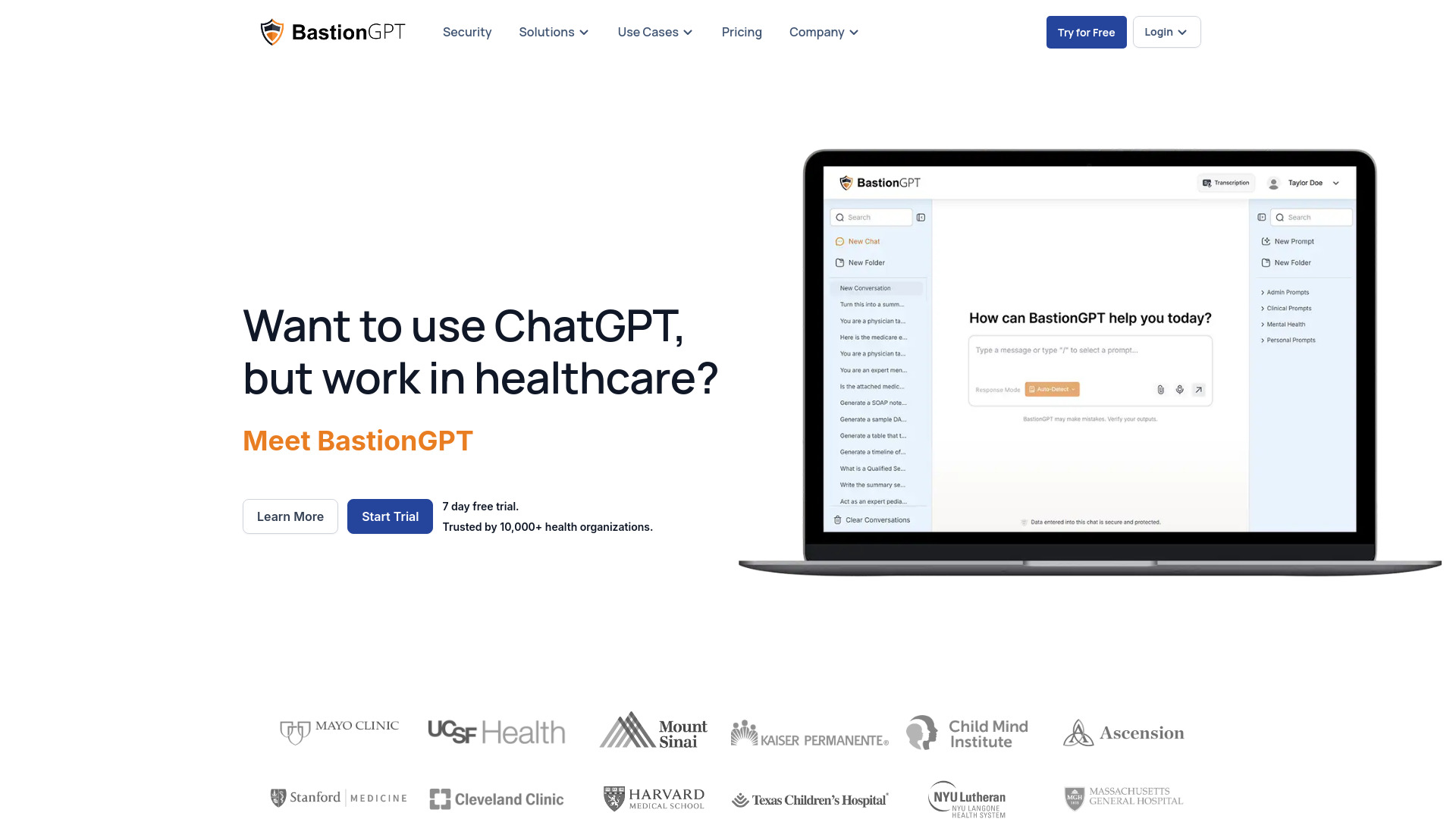
BastionGPT is the rare tool in this roundup that feels built for a very specific buyer, and that focus is exactly why it ranks so high. It gives healthcare users HIPAA-compliant AI chat with a signed BAA on every plan, which is the difference between a useful assistant and a compliance headache. It also supports clinical documentation, transcription, and long-document analysis, so the workflow is broader than simple chat.
What I like here is the model routing: it can use the latest GPT, Claude, and Gemini models automatically, which saves a lot of fiddling when you just want the right answer fast. The tradeoff is obvious - this is primarily for regulated healthcare workflows, and advanced image or spreadsheet analysis sits behind higher tiers. Still, if patient information is even part of the conversation, BastionGPT belongs on the shortlist immediately.
Best for
Physicians and clinicians handling patient information
Healthcare ops teams that need compliance baked into the workflow
Organizations that want AI chat, notes, and transcription in one place
Limitations
It is built for regulated healthcare use, not general consumer chat
Some advanced analysis features require higher tiers
Shortlist signal: Use it when HIPAA, BAA coverage, and clinical documentation matter more than a flashy general-purpose chatbot.
3. GPT Image 2
- AI image generation and editing for creators
- Free Trial / AI Image Generation / Smart Editing / Style Transfer
- Starts at Check vendor pricing
- Usage signal: 16.8K
Why it matters
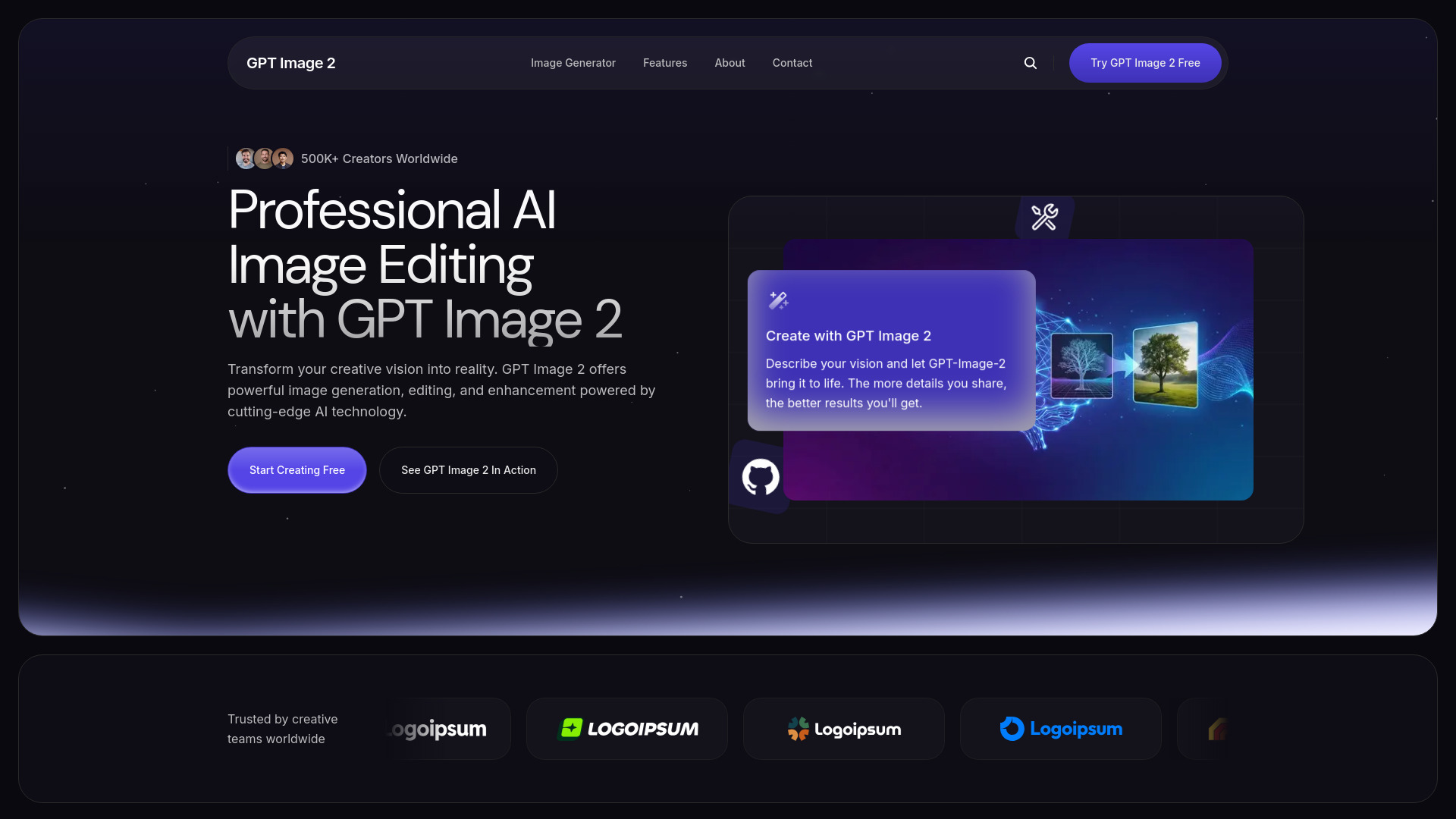
GPT Image 2 shifts the conversation from text chat to visual work, and that is a smart move for creators who spend too much time bouncing between prompt tools and editors. The core flow is simple: generate an image from text, then refine it with natural-language editing and style transfer. That combo is what makes it feel more practical than a one-off generator.
The product is clearly aimed at fast creative iteration, not complex studio pipelines. That means it is most useful when you want quick concepting, cleanup, or style variations without teaching a team a new editing environment. Pricing is not laid out as clearly as I would like, so buyers should verify the current plan structure before committing. Even so, it is one of the better adjacent AI tools like ChatGPT for people whose work is visual first.
Best for
Creators and marketers generating images from prompts
Teams that want quick edits without manual design work
People who care more about iteration speed than pro editing depth
Limitations
Pricing is not presented as cleanly as the workflow itself
It is focused on images, not broader chat or automation
Shortlist signal: Put it on the list if your team keeps asking for prompt-to-image and quick image edits in the same place.
4. AI World Generator

- real-time 3D world generation for game studios
- 6 world builder credits free / Real-Time Interactive Worlds (24 FPS)
- Starts at Free: $0/month
- Usage signal: 1.7K
Why it matters
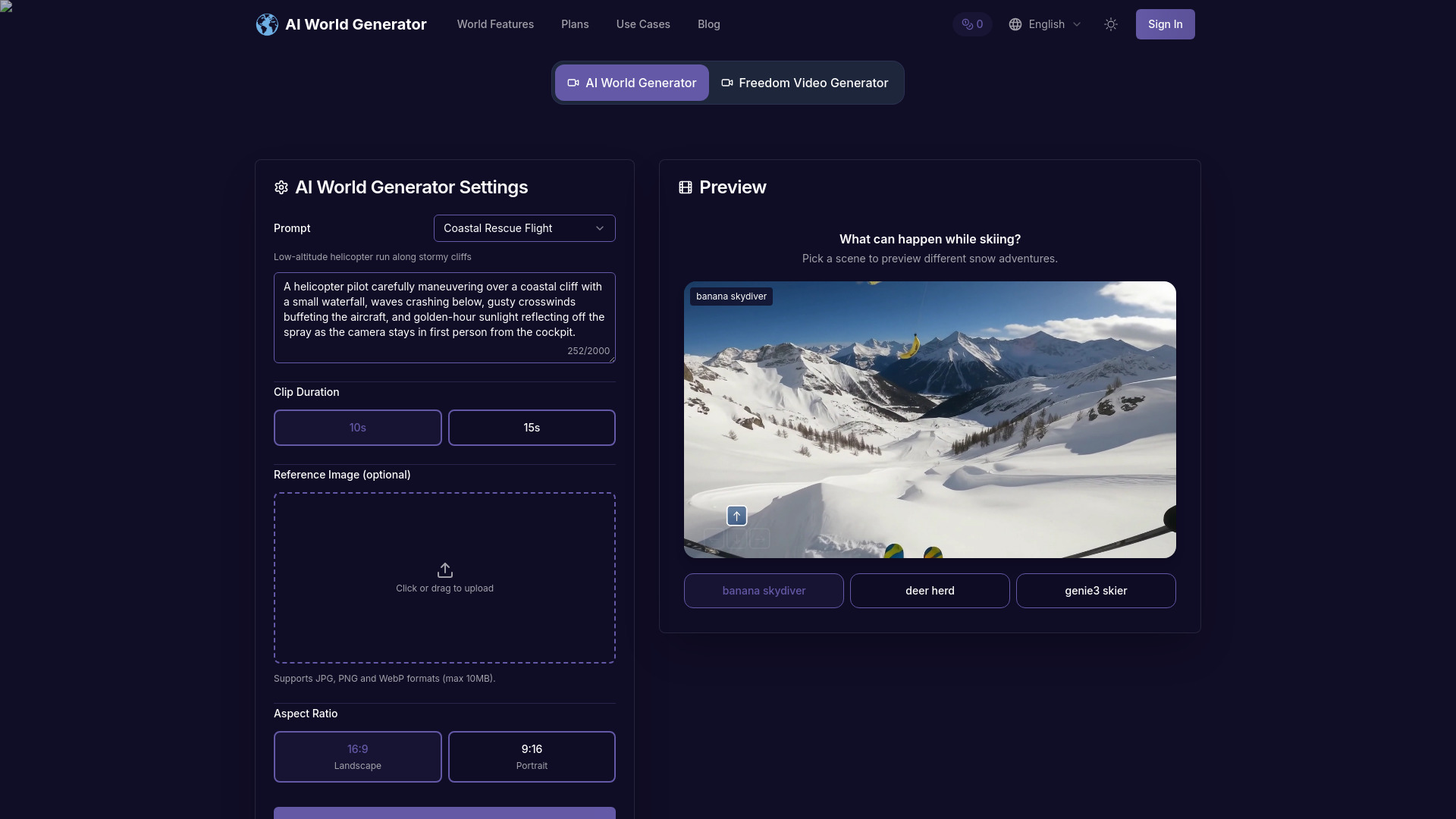
This is one of the more unusual entries in the list, but it earns its spot because it pushes generative AI beyond text boxes. AI World Generator builds explorable 3D spaces in real time, maintains persistent world memory across sessions, and lets you trigger events like weather or lighting changes with natural language. For game studios or prototyping teams, that is genuinely interesting.
The catch is that it behaves like an experimental creative engine, not a mainstream assistant. World memory eventually fades in long runs, and multi-agent choreography is still experimental. So the value here is not broad productivity; it is rapid world-building for teams that already know why they need it. That makes it a niche pick, but a memorable one.
Best for
Game studios prototyping interactive environments
Teams exploring AI-driven world generation
Creators who want real-time spatial continuity from prompts
Limitations
Long sessions can drift as memory fades
It is not meant for everyday chat or office productivity
Shortlist signal: Shortlist it when your AI need is an explorable environment, not a conversation assistant.
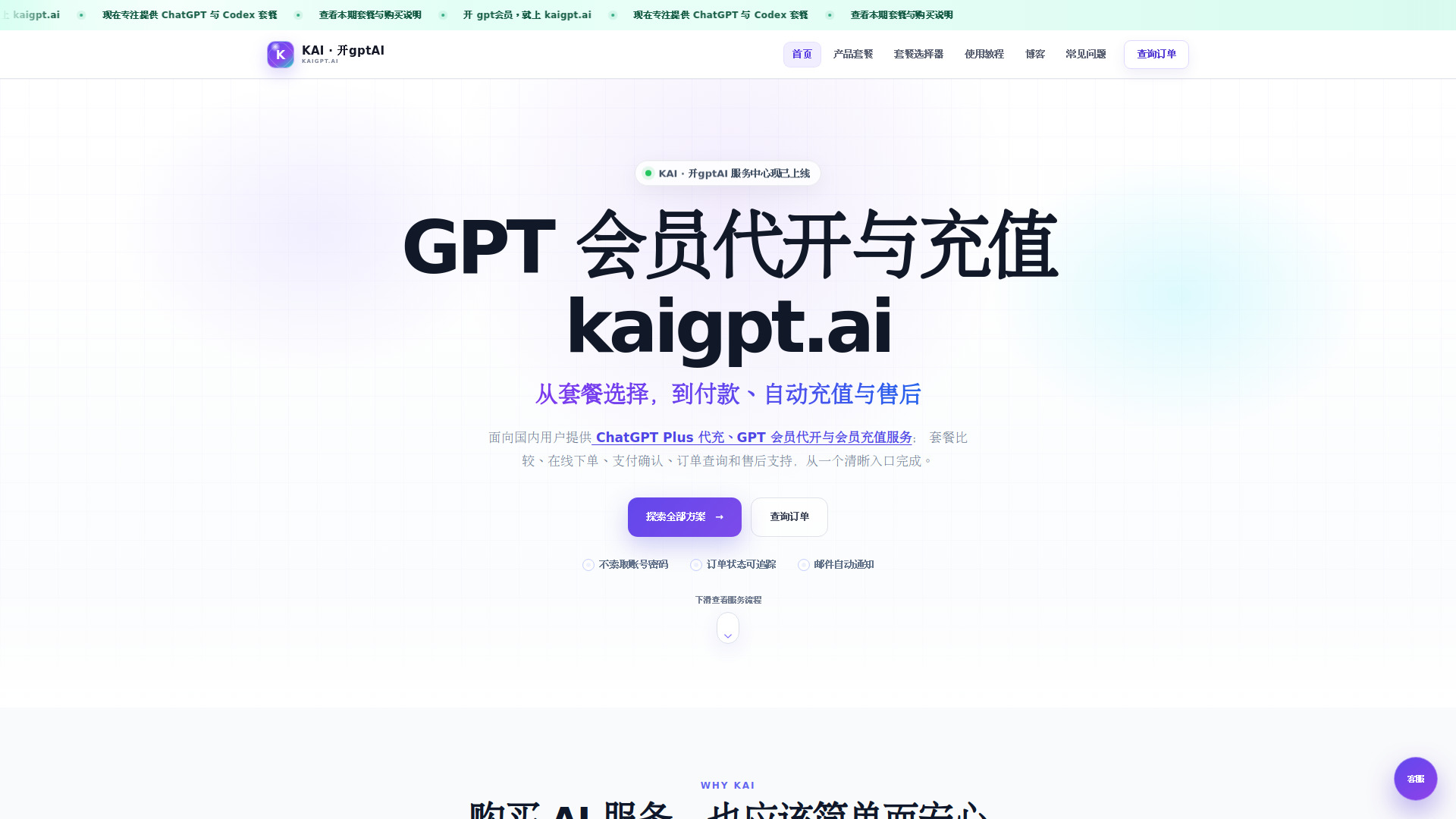
5. 开gpt会员

- Chinese individual users buying ChatGPT plans
- ChatGPT Plus and Pro recharge / Trackable orders and after-sales support
- Starts at ChatGPT Plus: ¥166
- Usage signal: 0.0K
Why it matters
开gpt会员 is not a model or a chatbot; it is a service layer for activating ChatGPT Plus and Pro memberships. That matters for users who want the paid ChatGPT experience but prefer a local payment flow and clearer order handling. The site emphasizes package comparisons, validity information, and order tracking for payment, fulfillment, refunds, and customer support.
The appeal is straightforward, but the caution is just as important: this is an independent third-party service and not officially affiliated with OpenAI. That means buyers should pay attention to checkout terms, payment methods, and service policies before moving forward. For the right user, though, it fills a real gap in access and support.
Best for
Chinese users who want a simpler way to buy ChatGPT plans
Buyers who value order tracking and after-sales support
People comparing Plus and Pro package options before paying
Limitations
It is not an official OpenAI channel
Payment terms and availability can change at checkout
Shortlist signal: Consider it when your main need is reliable ChatGPT plan activation with local payment support.
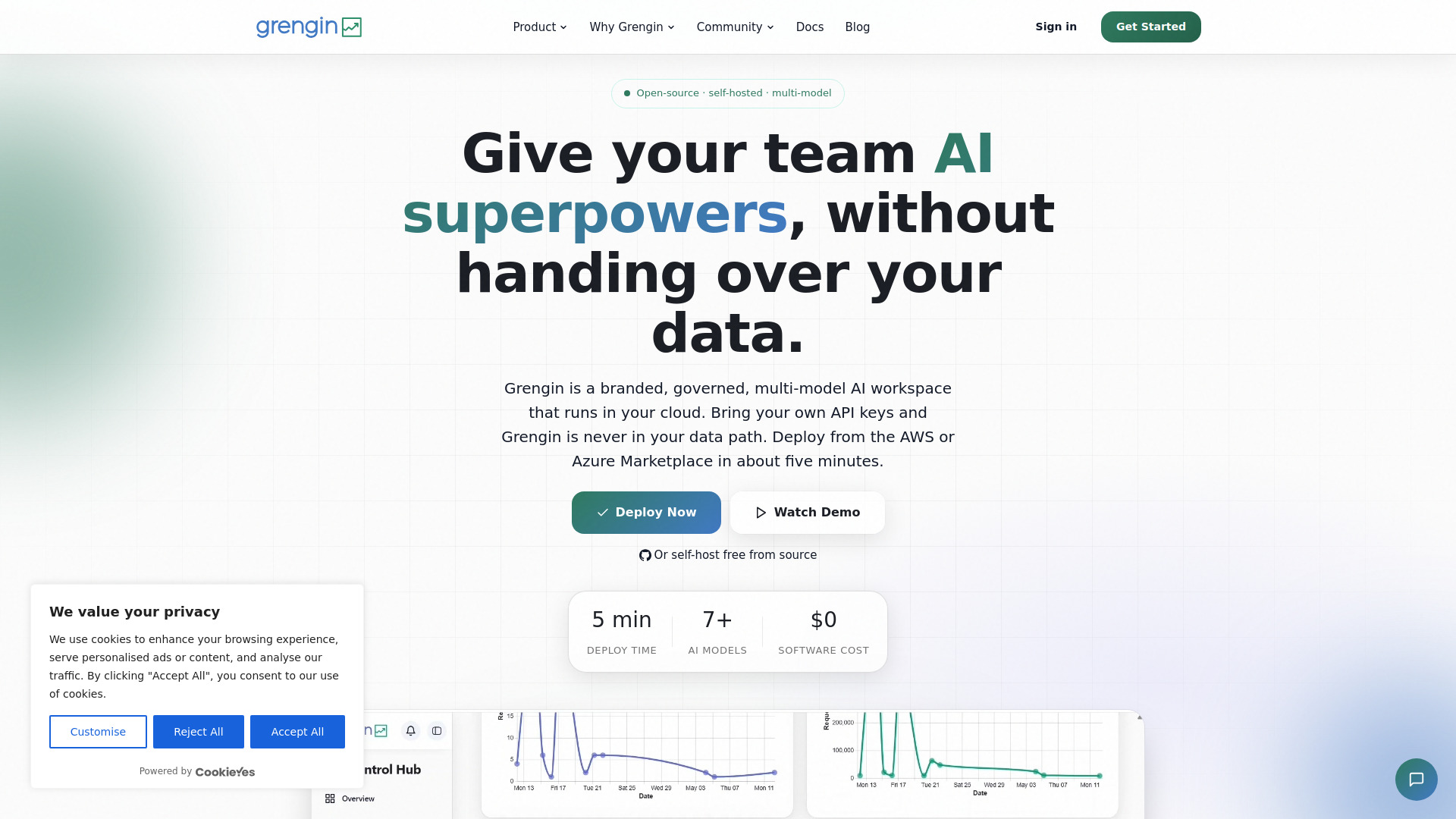
6. Grengin

- governed AI access for IT administrators
- Self-hosted in your cloud / Governed multi-model AI access
- Starts at Free: $0/month
- Usage signal: 0.0K
Why it matters
Grengin is the pick for teams that care more about control than convenience. It runs in your own cloud, which means the service is never in the data path, and it ships as open source with public code on GitHub. That combination is rare, and it immediately makes sense for IT admins and platform teams that need visibility into how AI is used internally.
The platform aggregates access to OpenAI, Claude, Gemini, and more, while also providing admin analytics and governance controls. The tradeoff is that you are signing up for your own cloud account and provider API keys, so this is not a fully managed SaaS experience. If you want a polished hosted chatbot, look elsewhere. If you want a controlled multi-model workspace, this is exactly the sort of tool worth testing.
Best for
IT administrators managing internal AI access
Teams that want open-source transparency
Organizations that prefer self-hosted governance over SaaS convenience
Limitations
Requires your own cloud and API key setup
Not a fully managed product, so ops work is on you
Shortlist signal: Add it if your priority is governance, transparency, and data-path control.
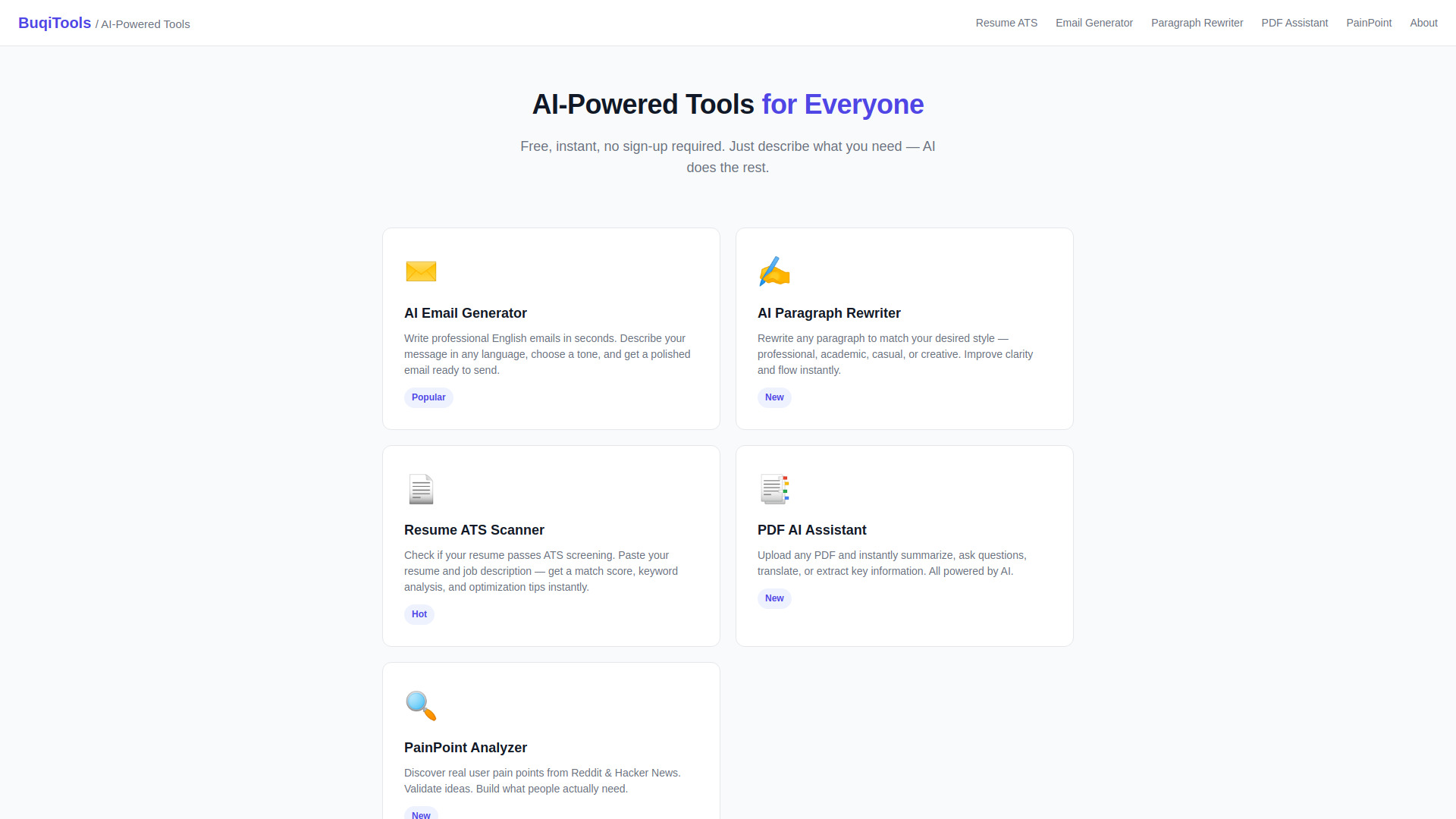
7. BukiTools
- content writers needing a free AI utility suite
- Free forever with no sign-up or credit card required
- Starts at Free: $0
- Usage signal: 0.0K
Why it matters
BukiTools takes a different route from ChatGPT-style chat: it packages a small set of practical AI utilities into one free website. You get five tools, no registration, and a privacy-first promise that the site does not store data. That simplicity is the whole pitch, and for many writers, it is enough.
The downside is equally clear. The tool is limited to the functions listed on the site, and there are no pricing tiers or advanced plans to grow into. That makes it less of a long-term platform and more of a handy utility shelf. Still, for writers who want quick help with emails, rewrites, resumes, PDFs, or pain-point analysis, it is pleasantly frictionless.
Best for
Content writers who want simple AI utilities
Users who want no sign-up and no credit card friction
People who prefer small focused tools over a big chat interface
Limitations
The tool set is limited to what the site already offers
There are no advanced plans or enterprise options to upgrade into
Shortlist signal: Use it when you want a free, quick, no-login utility suite instead of a full chat platform.
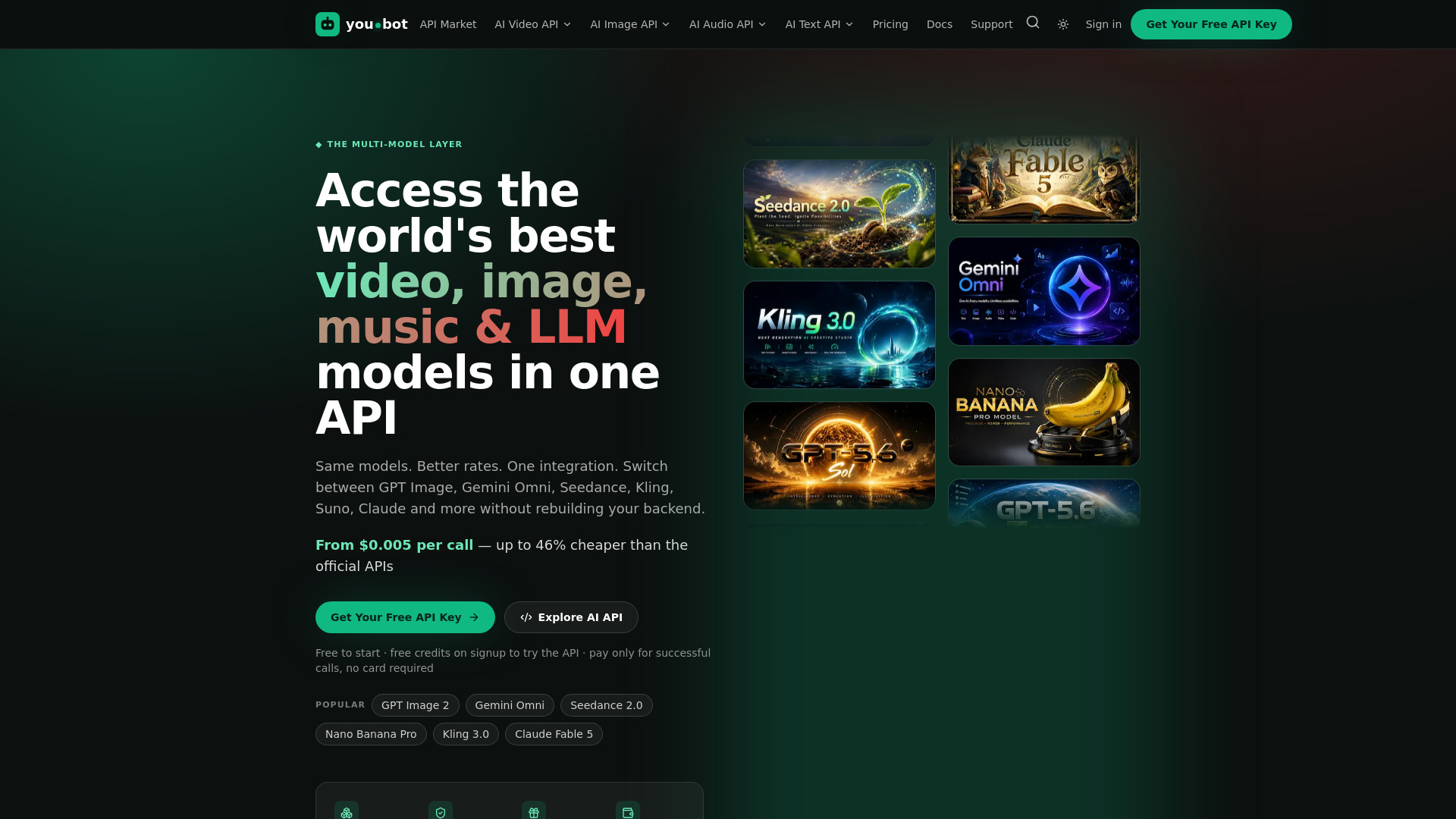
8. you.bot

- backend developers integrating many AI models
- Free credits on signup / One API for 70+ AI models
- Starts at Pay-as-you-go: From $0.005 per call
- Usage signal: 0.0K
Why it matters
You.bot is for teams that do not want to juggle separate API keys every time they test a new model. It exposes 70+ models behind one endpoint across LLM, image, video, and music workflows, and it claims pricing that can come in cheaper than official APIs. The pay-only-for-successful-calls setup is also a nice operational detail, especially for systems where failed requests can get expensive fast.
This is clearly an infrastructure product, so the audience is narrow by design. You will need API integration and backend setup, and the async task flow will not feel as immediate as a consumer chatbot. But if your product team is building against multiple model families, that consolidation is hard to ignore.
Best for
Backend developers building AI-enabled products
Teams that want to reduce API sprawl
Products that need access to many model types from one integration
Limitations
Requires integration work and backend setup
Async workflows may feel slower than instant chat responses
Shortlist signal: Shortlist it when model coverage and API simplification matter more than a polished front-end chat experience.
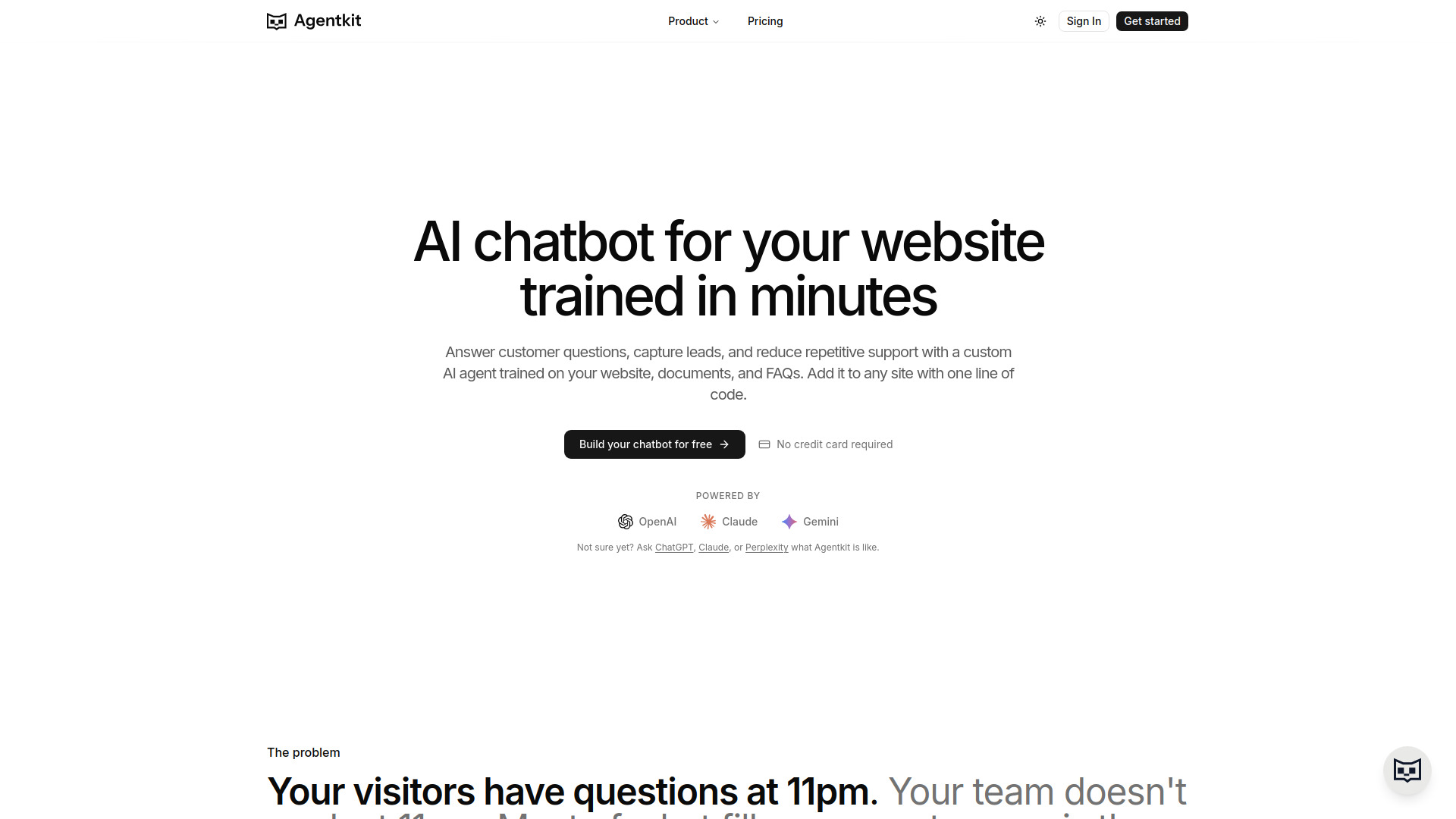
9. Agentkit

- customer support chatbots trained on company content
- 50 messages/month / AI chatbots trained on your content
- Starts at Free: $0/month
- Usage signal: 0.0K
Why it matters
Agentkit moves AI from a general chat box into a website-facing assistant that can actually do work. It trains bots on websites, documents, FAQs, and text, then lets you embed them with one script on many site platforms. The extra layer of lead capture, built-in actions, forms, buttons, and API calls makes it feel more like a support and conversion tool than a generic chatbot.
The free plan is useful but tight: 50 messages per month, one chatbot, 400KB of storage, and a smaller model selection. That is fine for evaluation, but teams with real traffic will outgrow it quickly. Even so, it is a strong fit for businesses that want an AI assistant embedded directly into their customer journey.
Best for
Customer support teams building website bots
Businesses that want lead capture and actions in one assistant
Teams that need a simple embed path across common platforms
Limitations
Free tier quotas are small
The model selection on the free plan is more limited
Shortlist signal: Pick it if you want a trained website assistant that can answer, capture leads, and trigger actions.
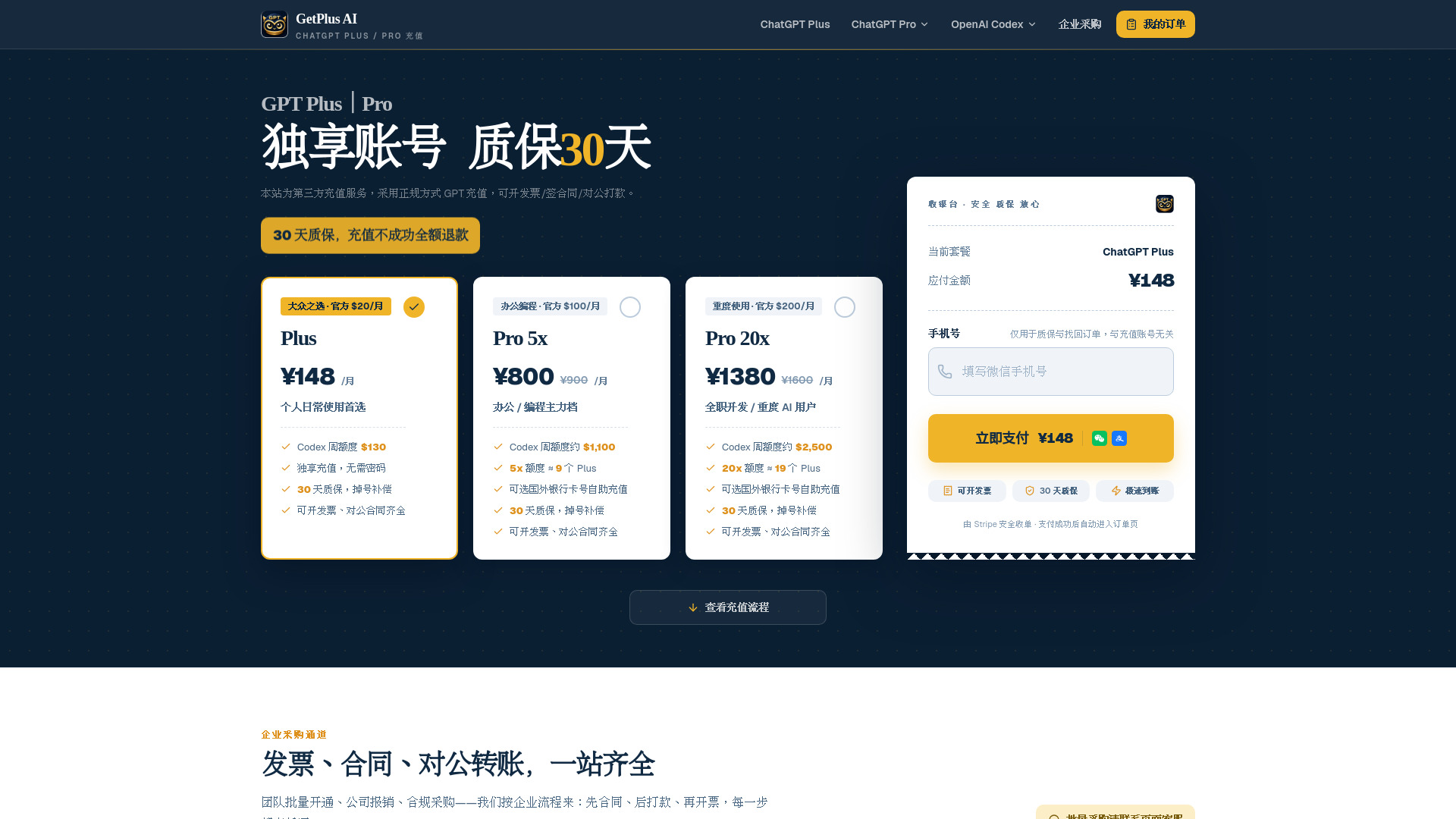
10. GPT Plus代充 / Pro订阅代充值|30天质保|可开发票|批量采购
- individual ChatGPT users needing local payment support
- ChatGPT Plus and Pro activation / Alipay and WeChat Pay support
- Starts at Check vendor pricing
- Usage signal: 0.0K
Why it matters
This is another access and payment service rather than a model product, but it solves a very real buying problem for some users. The pitch is simple: ChatGPT Plus and Pro recharge, direct activation to your own account, no password sharing, and fast turnaround. Support for Alipay and WeChat Pay is a major part of the appeal, especially for buyers without an overseas bank card.
There are two things to keep in mind. First, it is not an official OpenAI website or partner. Second, third-party activation always carries account, payment, and service-policy risk, so users need to read the terms carefully. If you know what you are buying and why, though, it is a practical route to paid ChatGPT access.
Best for
Individual users who want ChatGPT Plus or Pro activation
Buyers who prefer Alipay or WeChat Pay
People who want invoicing or warranty support around the purchase
Limitations
It is not an official OpenAI channel
Third-party activation comes with policy and account risks
Shortlist signal: Consider it only if local payment support and quick activation are your top buying constraints.
What to test before choosing
Before you commit to any of these top ai tools like chatgpt, test the workflow that matters most to you, not the demo that looks best in a marketing video.
For chat and compliance: confirm whether the tool handles your data type safely and whether the plan includes the right legal support
For cleanup utilities: paste the messiest real-world text you have and see whether the output actually fixes your issue
For API products: check whether the endpoint structure, pricing model, and error handling fit your app architecture
For bot builders: verify training inputs, embedding flow, and whether the bot can do actions, not just answer questions
For purchase services: read payment, refund, and account-policy terms before checkout
What to do next
Start by choosing the bucket that matches your problem: compliance, cleanup, creative work, APIs, or account access. Then narrow to two tools and test the exact task you will repeat every week. That is the fastest way to separate a genuinely useful AI tool from one that simply sounds like ChatGPT.
If you are still unsure, I would start with GPT CLEAN UP for a low-friction utility, BastionGPT for regulated chat, or you.bot if you are building something and need model breadth. Those three cover very different buying motions, which is exactly why they make such good first stops.
Common mistakes when choosing from a complex top list
A lot of buyers make the same three mistakes with lists like this.
- 1
They compare tools by brand familiarity instead of workflow fit. A famous chatbot is not automatically the right choice for image work, governance, or cleanup.
- 2
They ignore the caveats. If the product is self-hosted, third-party, or compliance-sensitive, the setup and policy details matter as much as the feature list.
- 3
They treat free access as the whole story. Free tiers are useful for testing, but message caps, storage limits, and model restrictions can make them feel cramped fast.
The better approach is boring but effective: define the task, check the limits, and only then compare prices.
FAQ
Not exactly. Some are chat-style assistants, but others solve adjacent jobs like image generation, API orchestration, text cleanup, or paid-plan activation. That mix is intentional because many buyers using top ai tools like chatgpt are really shopping for a broader AI workflow.