
Finding the top dental ai for insurance verification is less about choosing the tool with the longest feature list and more about matching the software to the work your team actually performs. Some products analyze dental images and support claim review; others simplify policy language, coordinate appointments, or connect patients with insurance and care workflows. We compared 10 tools so you can separate practice-ready platforms from useful but narrower alternatives before booking a demo.
Start here
For most dental practices, start with Pearl or Overjet. Pearl has the clearest combination of FDA-cleared dental AI, real-time radiology, and AI-powered insurance verification. Overjet is the stronger fit when automated claim review, dental image analysis, and patient education need to sit in the same workflow.
The rest of the list serves different jobs. FurtherAI is aimed at insurance operations and document-heavy work, while Health Insurance AI and Insurance Policy AI focus on making policy language easier to understand. SmileDial.io is an operational add-on for dental offices rather than an insurance verification engine.
| Start with | Best fit | Why it belongs on the shortlist |
|---|---|---|
| Pearl | Dental practices needing clinical and insurance AI | FDA-cleared solutions, real-time radiology, and insurance verification |
| Overjet | Claims-focused dental teams | Automated claim review and processing plus image analysis |
| FurtherAI | Insurance operations and underwriters | Document processing, policy comparison, and system connectivity |
| Health Insurance AI | People decoding policy documents | Fine-print review and simplified insurance language |
Segment comparison
This is a mixed field, so comparing every product as though it were the same kind of platform would be misleading. The table below shows where each segment creates value and where it stops.
| Segment | Tools to consider | Primary job | Main buyer |
|---|---|---|---|
| Dental clinical and claims AI | Pearl, Overjet | Analyze images, support verification, and improve claim workflows | Dentists, insurers, dental groups |
| Insurance operations AI | FurtherAI | Process documents, compare policies, and connect fragmented systems | Underwriters, insurance teams |
| Policy interpretation | Health Insurance AI, Insurance Policy AI | Explain coverage and identify difficult clauses or loopholes | Individuals, patients, caregivers |
| Dental practice operations | SmileDial.io, StrAIberry | Manage appointments, patient communication, and related workflows | Dental practices, patients |
| Specialist or adjacent support | GVA NDA Check, AI2DocReview, Alan | Handle legal review, medical second opinions, or digital insurance administration | Legal teams, patients, self-employed users |
Shortlist paths
Use these paths when the category feels too broad. They are more useful than treating rank alone as a buying recommendation.
| Your situation | First tool to evaluate | What to verify next |
|---|---|---|
| You need dental image analysis tied to insurance work | Pearl | Age restrictions, implementation, and live pricing |
| Claims review is the center of the workflow | Overjet | Review automation, processing steps, and human oversight |
| Your insurance team handles unstructured documents | FurtherAI | Setup, training, and integration requirements |
| Patients struggle to understand coverage | Health Insurance AI | File limits, login requirements, and policy accuracy |
| The practice mainly needs front-desk automation | SmileDial.io | Trial terms, setup effort, and patient interaction controls |
Ranking snapshot
Scores reflect the relative combination of category fit, stated feature depth, audience usefulness, and market signals. A lower rank does not mean a product is poor; it often means the product solves a narrower or adjacent problem.
| Rank | Tool | Score | Best for | Usage signal |
|---|---|---|---|---|
| #1 | Pearl | 94/100 | Dentists | 252.5K visits |
| #2 | Overjet | 93/100 | Dentists | 219.9K visits |
| #3 | GVA NDA Check | 92/100 | Legal professionals | 593.6K visits |
| #4 | FurtherAI | 91/100 | Underwriters | 26.9K visits |
| #5 | SmileDial.io | 90/100 | Dentists | 287 visits |
How we grouped and ranked the list
The first cut was category relevance. Tools with direct dental imaging, insurance verification, claim processing, or policy analysis capabilities received the strongest consideration. That is why Pearl and Overjet lead the list: their stated capabilities are closest to the central dental workflow.
Next came practical audience fit. FurtherAI is more naturally evaluated by underwriters than by a small dental office, while SmileDial.io is relevant to a practice but addresses receptionist and appointment work. The same distinction applies to policy readers: they can help patients understand coverage, but they do not replace a dental claims platform.
Finally, we considered limitations and market signals. Public usage signals help indicate visibility, but they are not proof of clinical accuracy or implementation success. Claims and insurance workflows still require careful testing, appropriate review, and confirmation of current vendor terms.
Ranked field notes
1. Pearl

- Dental practices and dentists
- Free plan available
- Starts at Check vendor pricing
- Usage signal: 252.5K
Why it matters
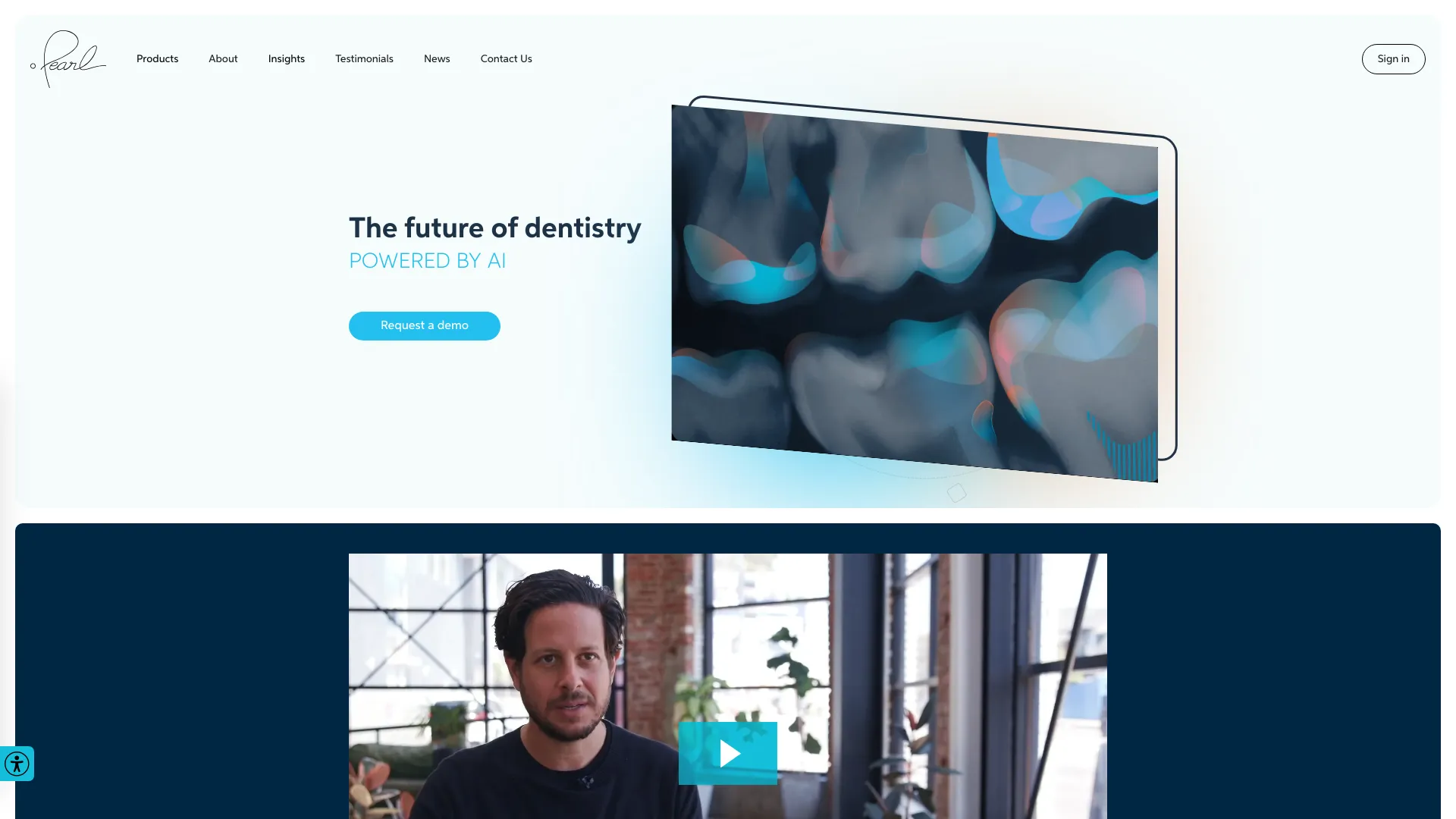
Pearl is the most convincing starting point for a dental team that wants clinical AI and insurance verification in the same conversation. Its FDA-cleared dental AI solutions, real-time radiologic platform, and AI-powered insurance verification give it a broader dental workflow than a basic policy reader or generic automation tool. The regulatory positioning is also unusually clear, with clearances in more than 100 countries stated among its strengths. That combination explains the lead score, although buyers still need to confirm how the current product maps to their own imaging, verification, and claims process.
Best for
Dentists evaluating radiologic AI and insurance verification together
Dental practices that want a broad clinical pathology detection platform
Teams that value FDA-cleared dental AI solutions
Limitations
Some features have a minimum patient age of 12 years
A competitor may be a better fit when younger-patient, single-disease detection is the priority
Pricing is hidden behind a vendor conversation
Shortlist signal: Add Pearl first when your practice wants dental imaging intelligence and insurance verification from one dental-focused platform.
2. Overjet

- Dentists and claims-focused dental teams
- Free plan available
- Starts at Check vendor pricing
- Usage signal: 219.9K
Why it matters
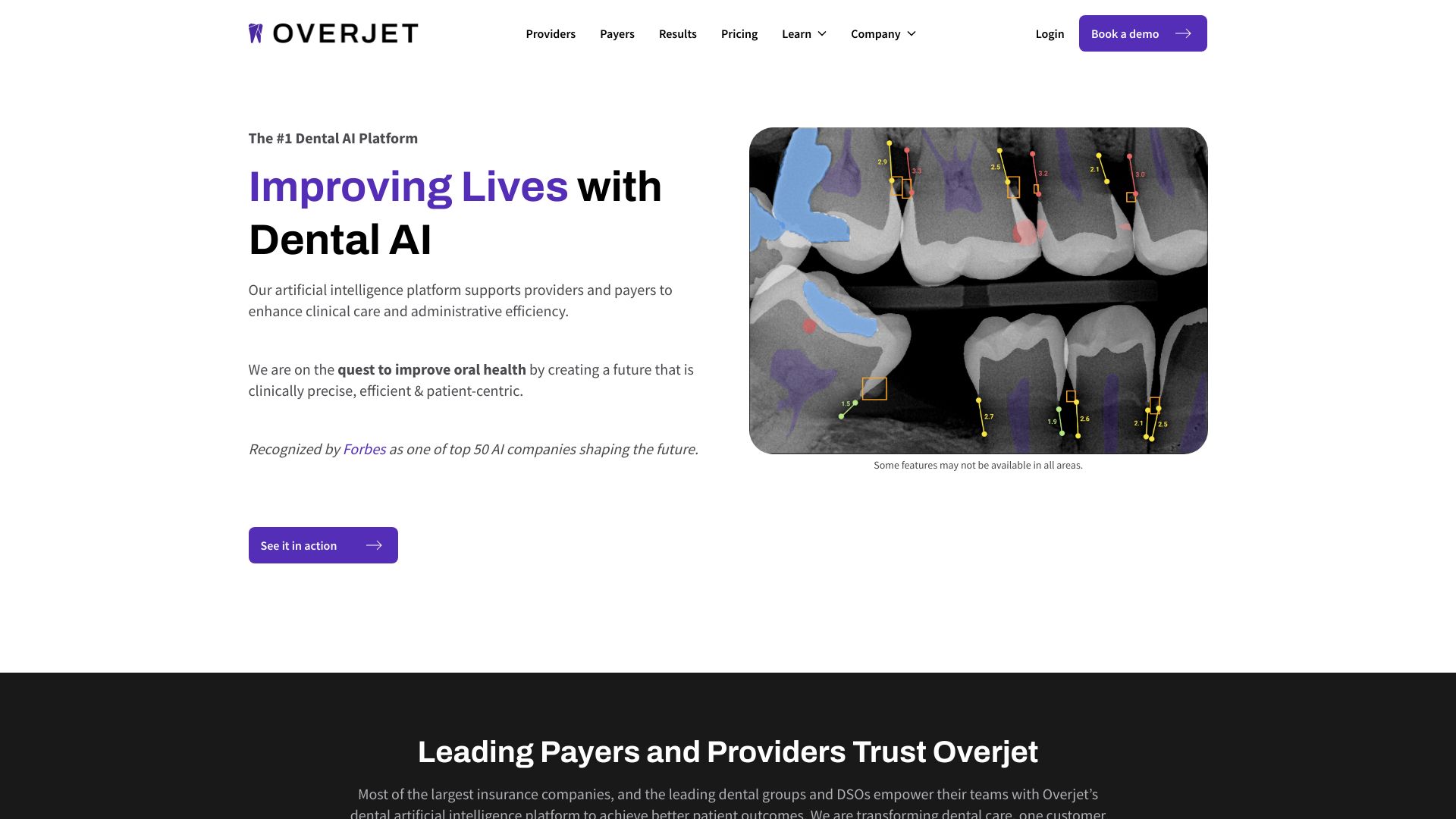
Overjet earns its place near the top by making claims work a central part of the product story rather than an afterthought. AI-powered dental image analysis, automated claim review and processing, and patient education tools cover three connected moments: understanding the image, working through the claim, and explaining the result. That makes it especially interesting for dental organizations balancing diagnostic consistency with administrative efficiency. The trade-off is familiar with any AI-led workflow: implementation cost and ongoing human oversight matter.
Best for
Dental practices and insurers prioritizing claim review
Teams that want annotated or AI-supported patient education
Organizations looking to connect image analysis with processing efficiency
Limitations
The workflow depends on AI technology and should be monitored
Implementation may carry a meaningful cost
Buyers need to validate how automated review fits existing claim controls
Shortlist signal: Choose Overjet for a demo when claim review and dental image analysis are more important than front-desk automation.
3. GVA NDA Check

- Legal professionals reviewing NDAs
- Free & unlimited NDA checks
- Starts at NDA Instant Check: Free
- Usage signal: 593.6K
Why it matters
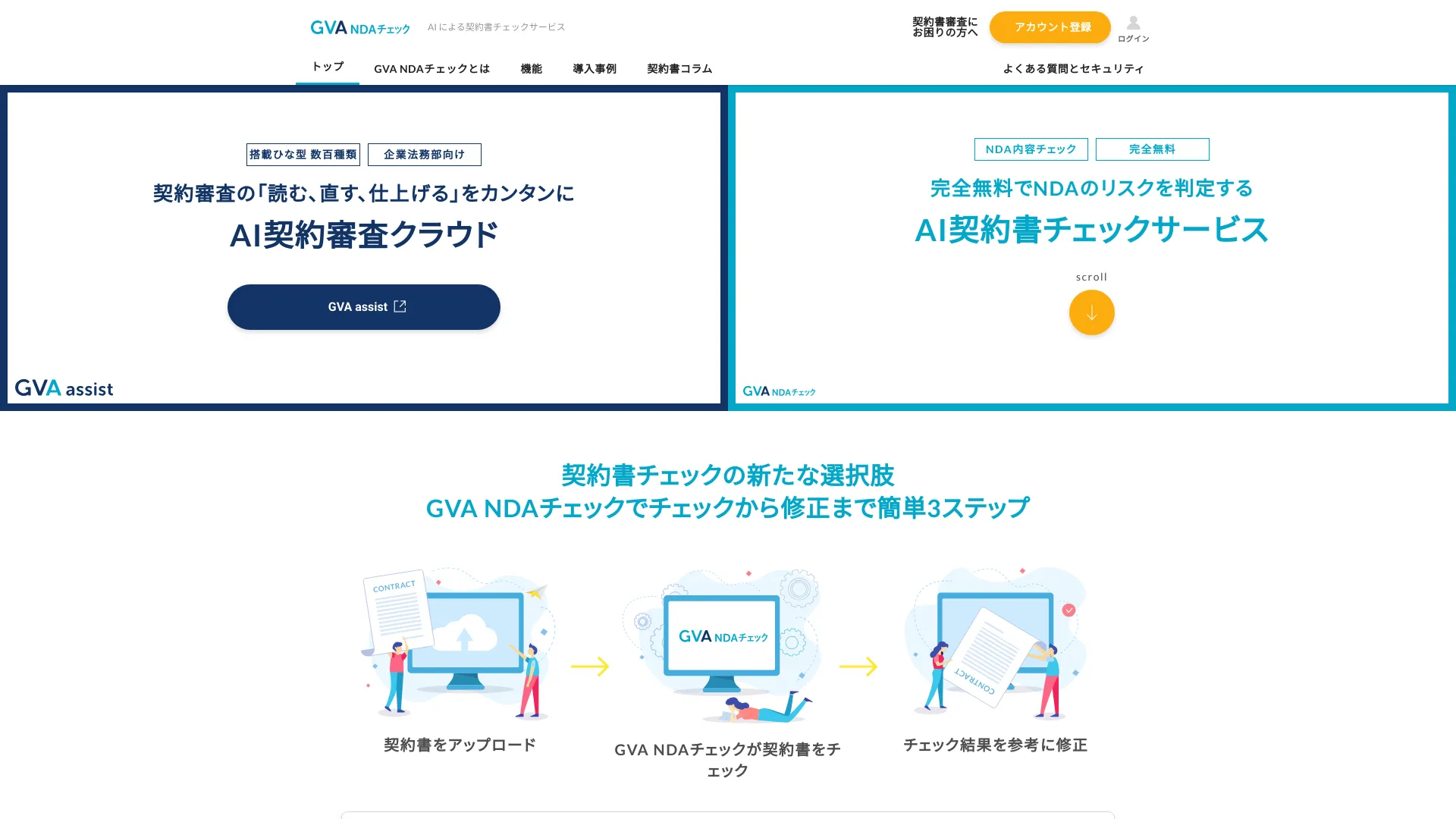
GVA NDA Check is an unexpected but useful adjacent entry. It does not verify dental benefits or process dental claims; it reviews NDA clauses, visualizes risk, identifies high-risk language, and suggests revisions from different perspectives. That can matter to dental groups, insurers, or vendors negotiating partnerships and data-sharing agreements, but it should not be mistaken for dental insurance software. Its free and unlimited NDA checks make it easy to test for that narrow legal use case.
Best for
Legal professionals reviewing non-disclosure agreements
Dental or insurance organizations handling vendor and partnership paperwork
Teams wanting AI-assisted risk visualization before human review
Limitations
It currently supports NDA contracts only
Critical contracts still need human legal review
It is not a dental insurance verification or claims platform
Shortlist signal: Add GVA NDA Check only when contract review surrounds your dental insurance project, not when you need benefit verification.
4. FurtherAI

- Underwriters and insurance operations teams
- Free plan available
- Starts at Check vendor pricing
- Usage signal: 26.9K
Why it matters
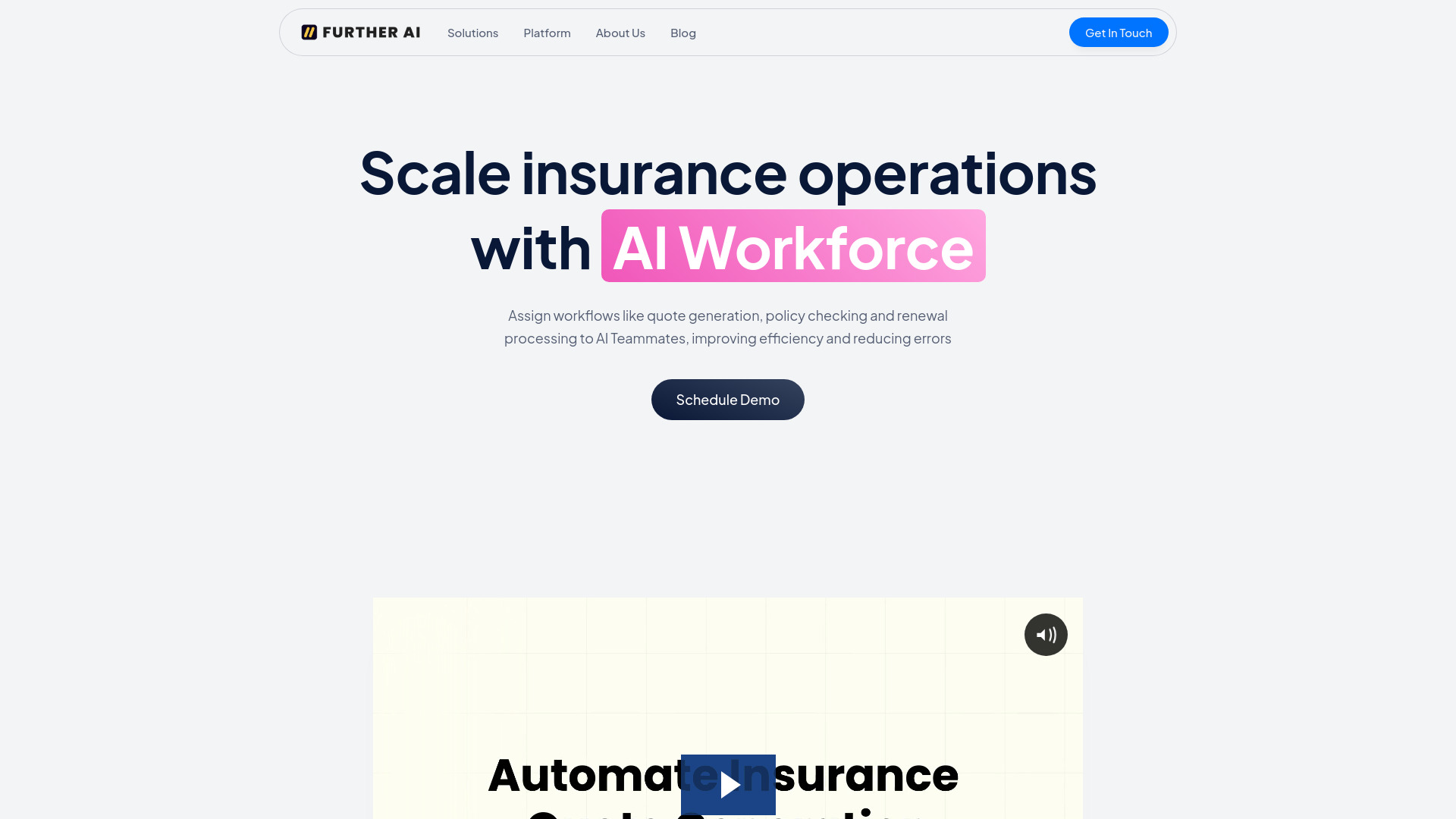
FurtherAI approaches the problem from the insurance-operations side. Automated document processing, policy comparison, and the ability to connect disjointed systems make it a plausible option for teams handling large amounts of unstructured information. It is broader than dental insurance verification, which is both its strength and its warning label. A dental group may find it too operationally broad, while an insurer or underwriter could value that flexibility. Expect setup and training to be part of the evaluation.
Best for
Underwriters processing unstructured insurance information
Insurance teams comparing policies across disconnected sources
Operations leaders trying to reduce manual document work
Limitations
Initial setup and training may be required
Critical insurance tasks need careful AI monitoring
The product is broader insurance automation rather than dental-specific verification
Shortlist signal: Evaluate FurtherAI when your bottleneck is document-heavy insurance operations, not just checking one patient's dental benefits.
5. SmileDial.io

- Dental practices needing receptionist automation
- Month-long free trial
- Starts at Check vendor pricing
- Usage signal: 287
Why it matters
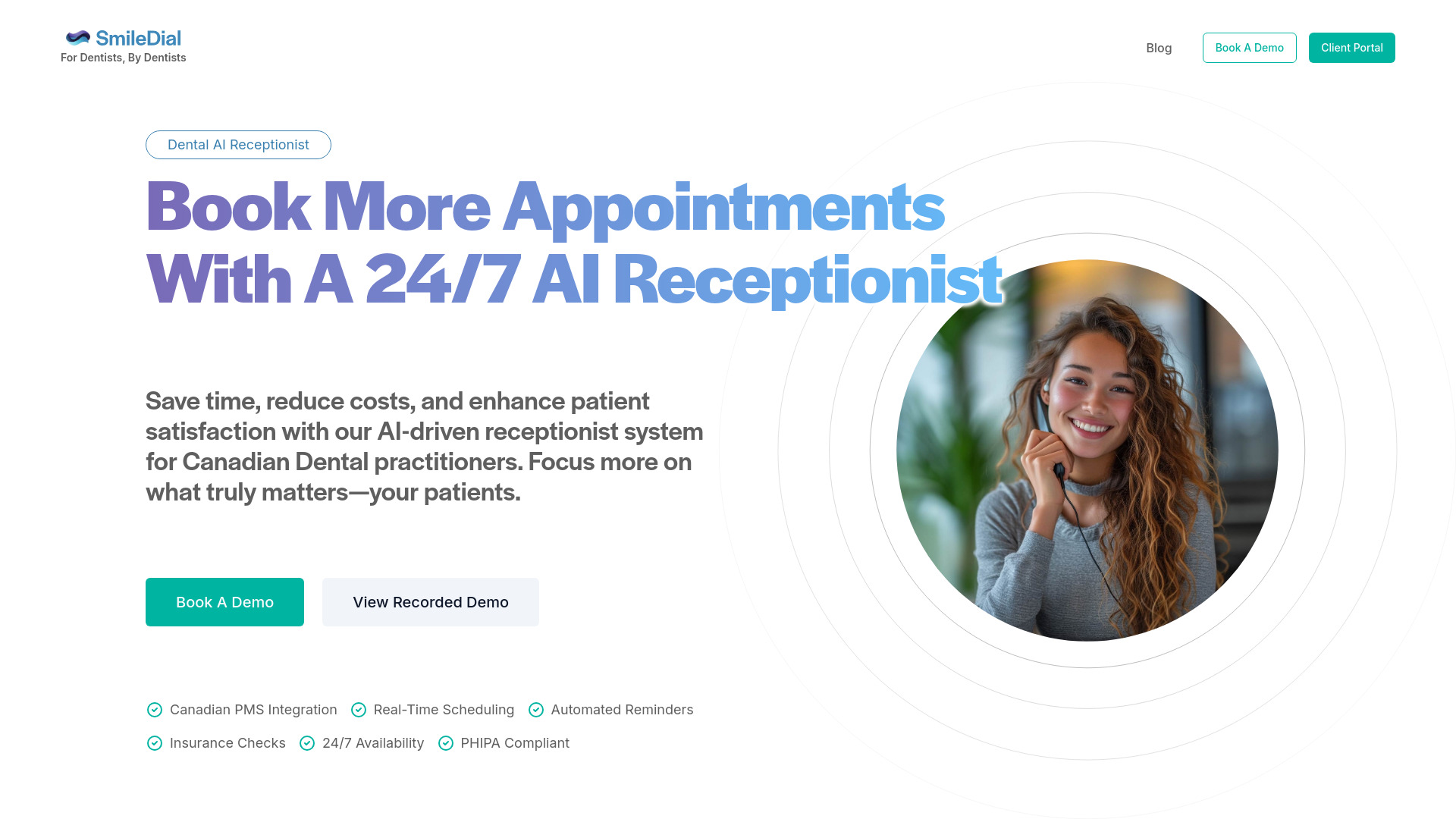
Insurance verification rarely happens in isolation from the front desk. SmileDial.io addresses the surrounding operational load with a 24/7 AI receptionist, appointment booking, and automated reminders. That can free staff to handle more involved benefit questions, even though the product is not presented as a dedicated claims engine. A month-long free trial gives a practice a concrete way to test patient interaction and booking workflows before committing.
Best for
Dental practices that need round-the-clock receptionist coverage
Teams trying to automate booking and reminders
Offices where front-desk workload slows insurance-related conversations
Limitations
It may require a learning curve during setup
AI-mediated patient interaction needs monitoring
It is an operational complement, not a full insurance verification platform
Shortlist signal: Shortlist SmileDial.io when appointment friction is the problem surrounding your insurance workflow.
6. Health Insurance AI
- Seniors and people decoding policy documents
- One-day access from $7.99
- Starts at One Day Access: $7.99
- Usage signal: Usage signal not listed
Why it matters
Health Insurance AI is a policy reader rather than a dental practice platform. Its value is straightforward: upload or provide policy information, then use AI to decipher fine print and explain complex language. That can help patients understand coverage before calling a dental office, and it can give staff a simpler starting point when a policy is difficult to parse. The 100,000-character file limit and Google-account login requirement are practical constraints worth checking early.
Best for
Seniors and patients who need simpler coverage explanations
Individuals reviewing long health insurance documents
Dental teams looking for a patient-facing policy interpretation aid
Limitations
Files are limited to 100,000 characters
A Google account is required for login
Policy interpretation depends on the accuracy and completeness of the provided information
Shortlist signal: Choose Health Insurance AI for policy comprehension, not automated dental eligibility verification or claim submission.
7. StrAIberry

- Patients and connected dental care workflows
- Free plan available
- Starts at Check vendor pricing
- Usage signal: Usage signal not listed
Why it matters
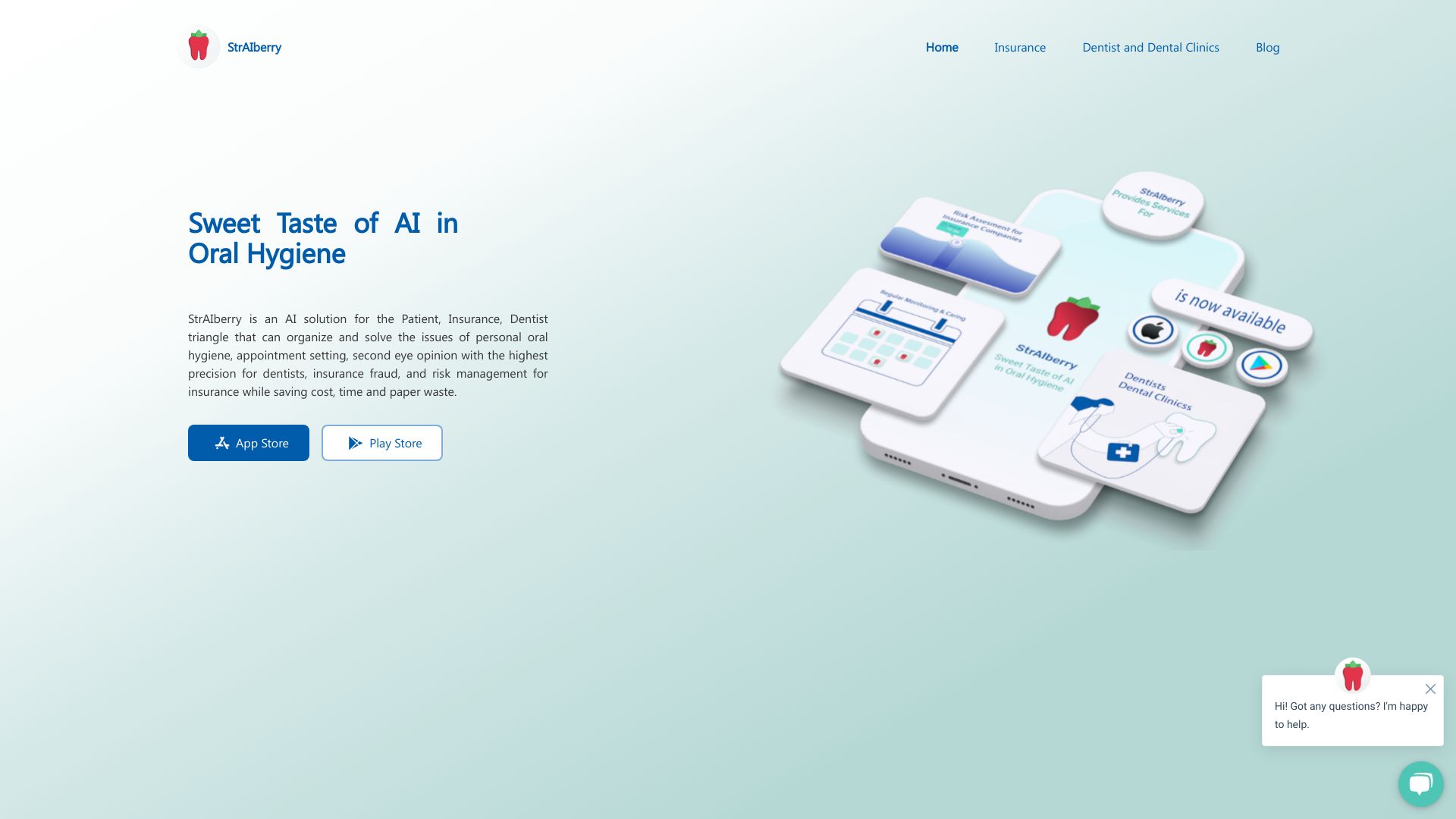
StrAIberry takes a broader view of the patient, insurance, and dentist relationship. Its stated capabilities include oral hygiene organization, appointment setting, second opinions for dentists, and insurance fraud and risk-related support. That makes it an interesting coordination layer for organizations thinking beyond one verification transaction. The product may need integration with existing systems, and the learning curve could be meaningful for teams expecting a plug-and-play claims tool.
Best for
Patients managing oral hygiene and appointments
Dental workflows that involve patient, dentist, and insurance stakeholders
Teams exploring fraud and risk-management support around care
Limitations
Integration with existing systems may be required
Users may face an initial learning curve
It is a broad coordination solution rather than a narrowly defined verification engine
Shortlist signal: Consider StrAIberry when patient coordination and insurance risk belong in the same broader workflow.
8. Insurance Policy AI
- Individuals reviewing insurance policies
- Free plan available
- Starts at Check vendor pricing
- Usage signal: Usage signal not listed
Why it matters
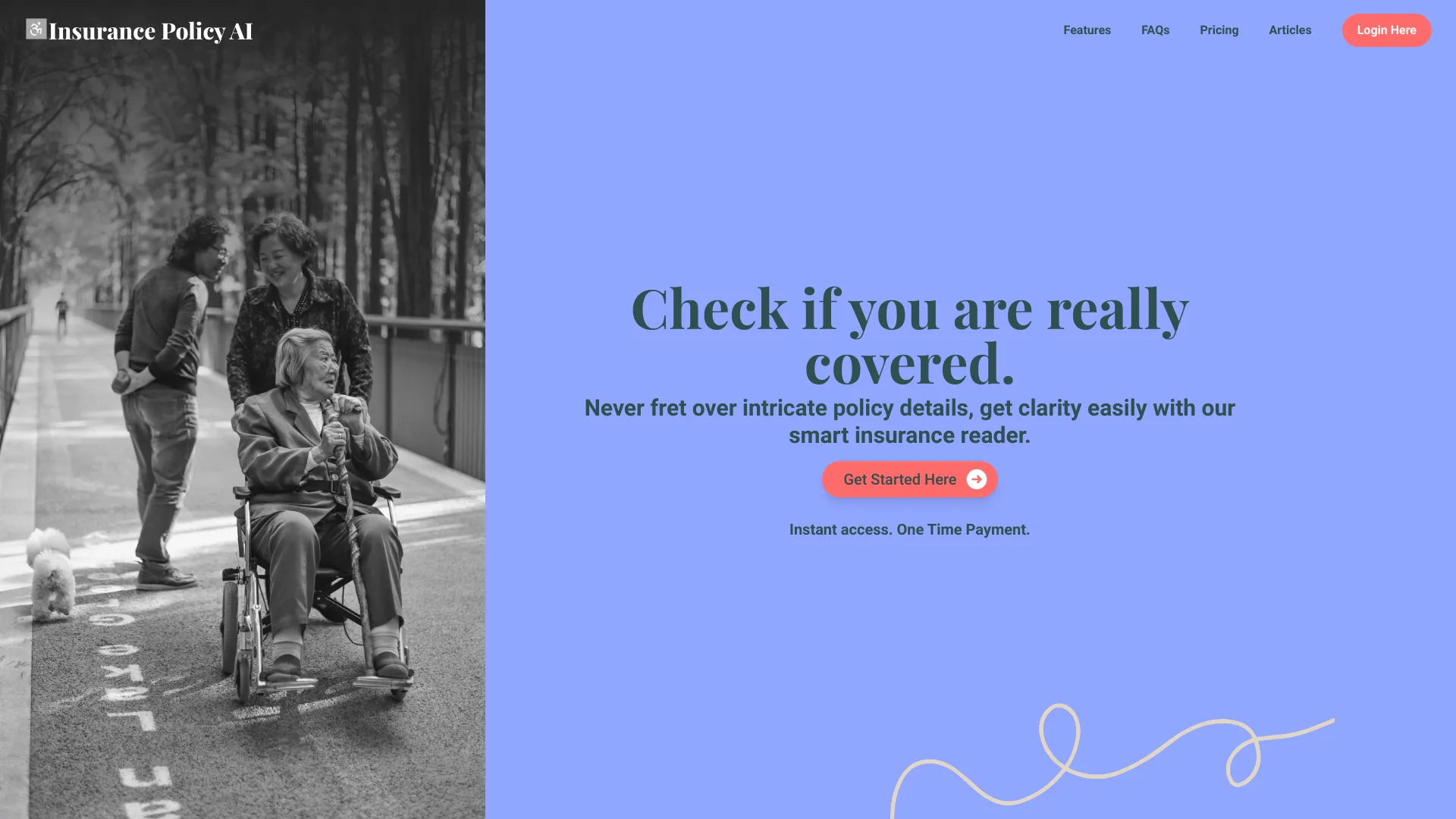
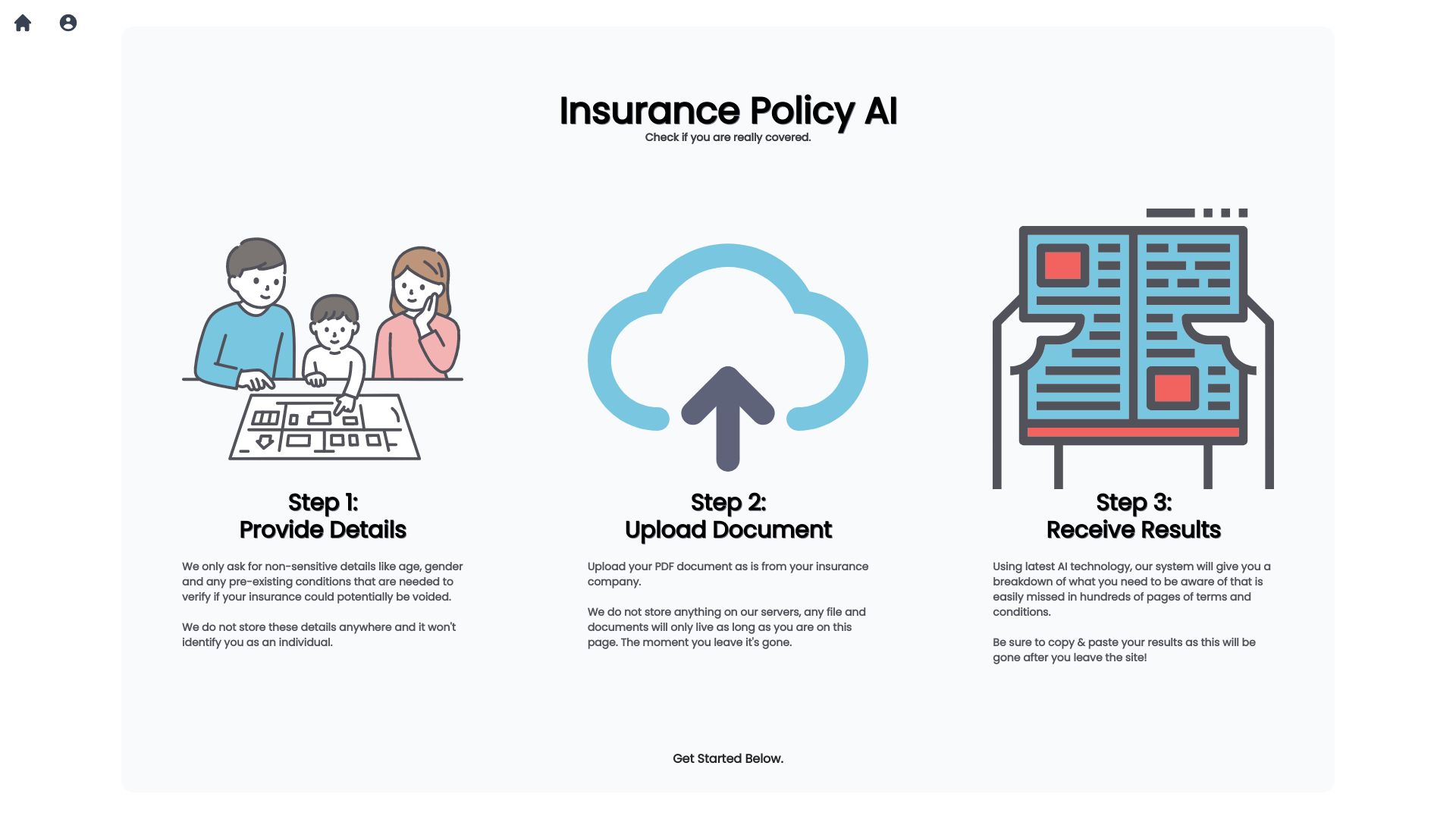
Insurance Policy AI is designed to expose confusing policy language and possible loopholes. That consumer-first angle can be useful before a patient asks a dental office to interpret benefits, particularly when the individual wants more transparency about what a policy does and does not say. It is not a substitute for a payer's eligibility response or a practice's claims process. Users should also expect to bring some understanding of insurance terminology to the experience.
Best for
Individuals trying to understand policy coverage
Patients looking for potential exclusions or loopholes
Consumer advocates who want clearer insurance language
Limitations
Some insurance terminology may still require user understanding
Results depend on the accuracy of the policy information supplied
It does not replace payer verification or professional claims review
Shortlist signal: Add Insurance Policy AI when the buyer is the policyholder, not when the practice needs automated eligibility transactions.
9. AI2DocReview
- Patients seeking second opinions
- 50 inquiries a month free
- Starts at Free: $0 / month
- Usage signal: Usage signal not listed
Why it matters
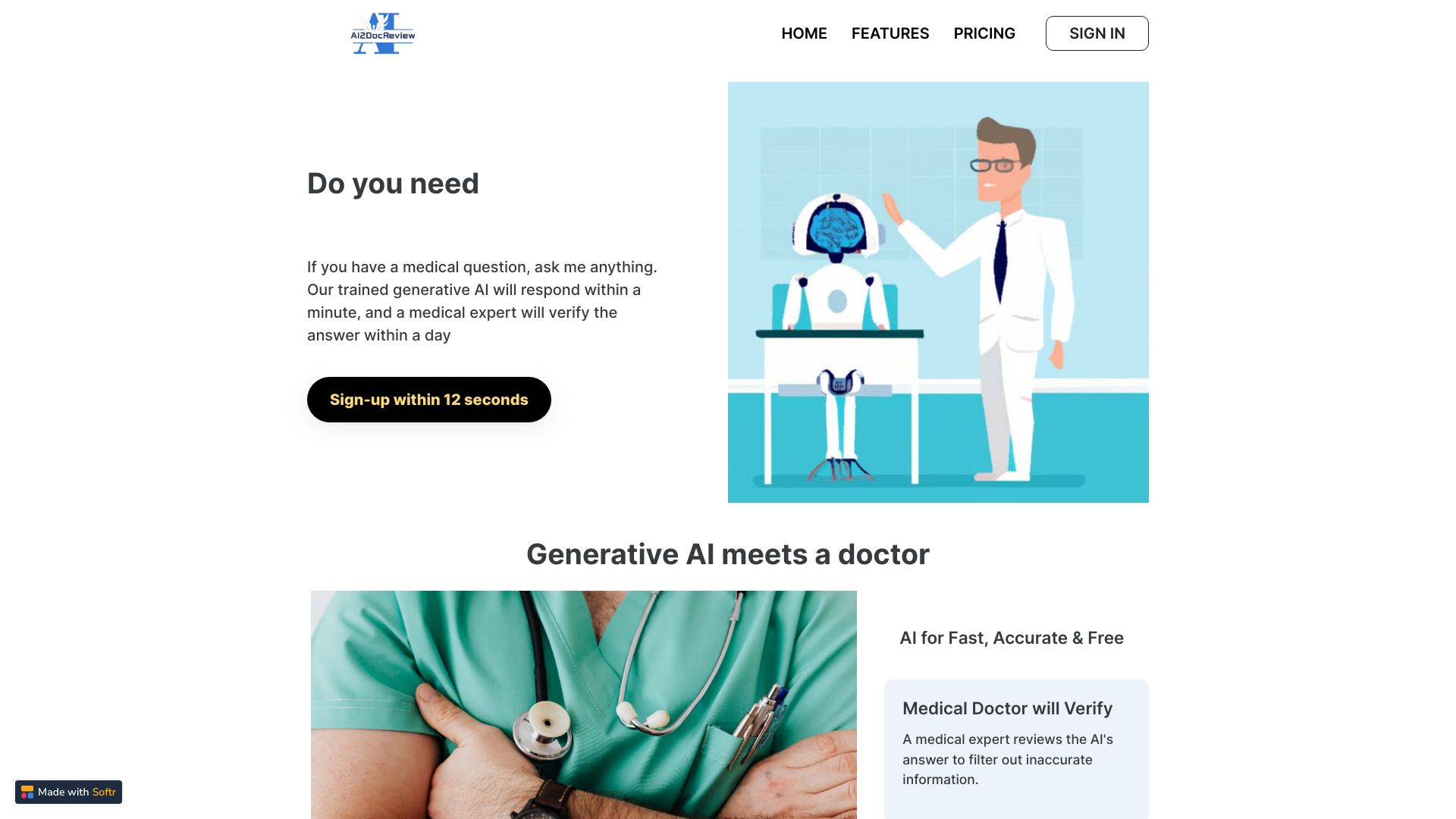
AI2DocReview belongs in the adjacent-support tier because it focuses on medical consultation and second opinions, not insurance verification. It combines an AI response with medical expert verification and promises a fast initial response from the AI. For a patient weighing a dental or health decision, that can be useful context alongside-not instead of-professional care. The product itself makes the boundary clear: AI answers cannot replace medical practice, and expert reviewers verify facts rather than provide primary-care opinions.
Best for
Patients seeking a fast second opinion
Users who want AI assistance with medical expert verification
People gathering questions before speaking with a clinician
Limitations
It cannot replace medical practice
Medical experts verify facts but do not provide primary-care opinions
It is not an insurance eligibility, dental imaging, or claim-processing system
Shortlist signal: Use AI2DocReview as patient decision support when clinical questions surround coverage, not as a claims workflow tool.
10. Alan

- Self-employed individuals and digital insurance administration
- Digital health insurance from 49 euros
- Starts at Check vendor pricing
- Usage signal: Usage signal not listed
Why it matters
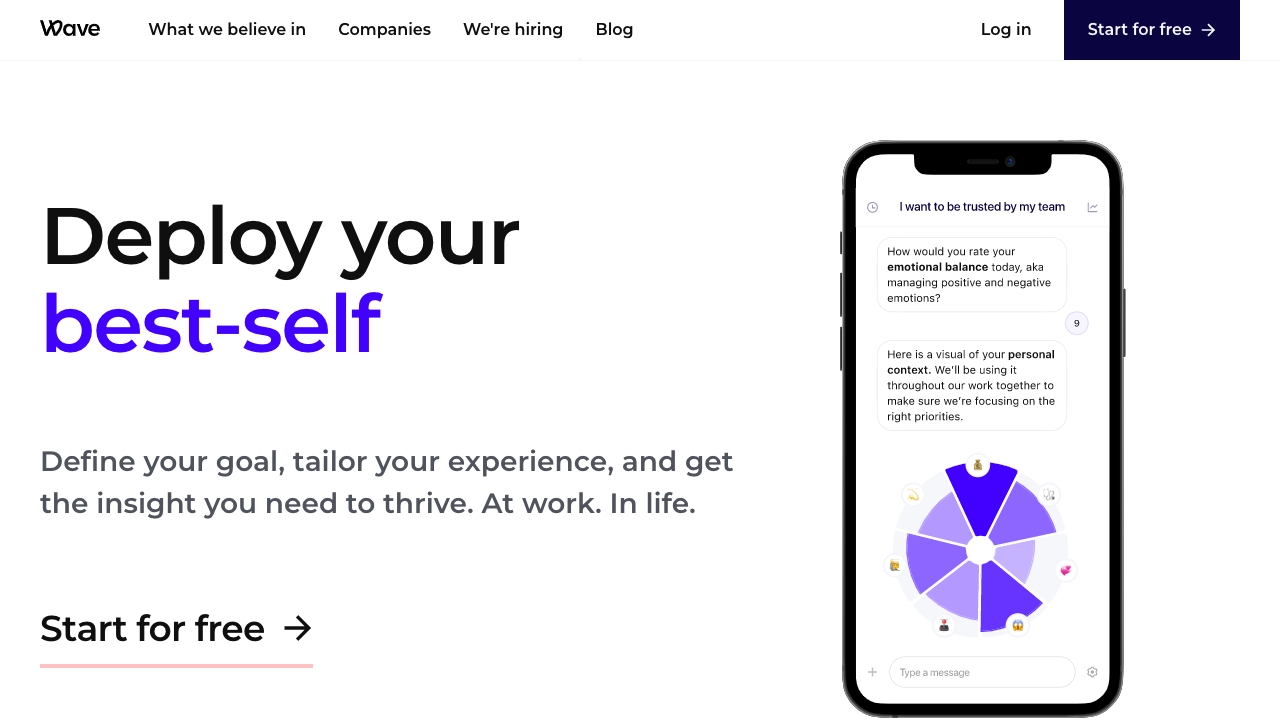
Alan is the broadest insurance-administration alternative in the ranking. Its stated strengths are fast and simple health insurance adoption, 100% digital administrative management, responsive customer service, and comprehensive health services. That makes it relevant to self-employed users and digitally managed coverage, but less directly relevant to a dental practice selecting an AI verification or claims platform. Market focus is another important qualifier: the product is primarily oriented toward French and Belgian language markets.
Best for
Self-employed individuals managing health insurance digitally
Users who value online administrative management
Buyers in the French and Belgian markets covered by its stated language focus
Limitations
Specific plan details may require direct contact
The focus is primarily the French market and related French or Belgian language markets
It is health insurance administration, not dental claims automation
Shortlist signal: Consider Alan only when digital health insurance administration is the goal and your market fits its regional focus.
What to test before choosing
A polished demo is not enough for this category. Ask vendors to walk through a real or safely de-identified workflow that resembles your daily work.
Eligibility and policy inputs: Can the tool handle the policy documents, images, or information your team actually receives?
Dental specificity: Does it understand dental imaging, claim review, or dental benefit language, or is it a general insurance reader?
Human review: Which outputs require staff approval, and can your team see the reasoning or supporting information behind an AI suggestion?
Workflow fit: Can the product support your existing systems, or will staff move information manually between tools?
Patient communication: If patients see the output, is the language clear enough to prevent overconfidence about coverage?
Age and audience limits: Pearl, for example, has a minimum age restriction for some features. Confirm similar boundaries for your patient population.
Commercial terms: Several leading products do not show a clean public starting price. Ask about implementation, training, usage limits, and support-not only the subscription figure.
What to do next
Start with one workflow, not a company-wide rollout. For a dental practice, that may be verifying benefits before an appointment, reviewing images for claim support, or reducing calls that the front desk handles manually. For an insurer, it may be processing unstructured documents or reviewing claims more consistently.
Put Pearl and Overjet through the same test if dental imaging and claim work are central. Add FurtherAI if the real problem is fragmented insurance operations. If patients mainly need help understanding coverage, compare Health Insurance AI with Insurance Policy AI instead of forcing a practice platform into a consumer job.
Before signing, document what the AI is allowed to decide, what staff must verify, and how incorrect outputs will be corrected. That short operating policy will tell you more about practical fit than a feature checklist.
Common mistakes when choosing from a complex top list
Treating every listed tool as a direct competitor: A dental claims platform, a policy reader, and an AI receptionist solve different problems.
Confusing market visibility with clinical quality: Monthly visits are a usage signal, not proof of diagnostic accuracy or claim performance.
Ignoring the human checkpoint: Insurance and healthcare decisions need a clear review process, especially when AI interprets documents or images.
Skipping the input test: A tool may look capable until it meets your actual policy format, imaging workflow, or patient communication needs.
Comparing only subscription prices: Setup, training, integrations, review time, and support can outweigh the headline price.
Overlooking audience and geography: Alan's regional focus and Pearl's age restriction show why fit details matter.
Calling a policy explainer a verifier: Consumer policy tools can clarify language, but they do not necessarily return payer eligibility or process a dental claim.
FAQ
Pearl ranks first because it combines FDA-cleared dental AI solutions, a real-time radiologic platform, and AI-powered insurance verification. Overjet is the closest alternative when automated claim review and dental image analysis are the priority. The right choice still depends on your workflow, patient population, and vendor implementation terms.